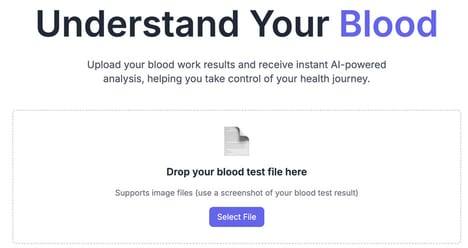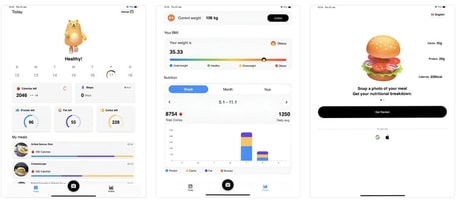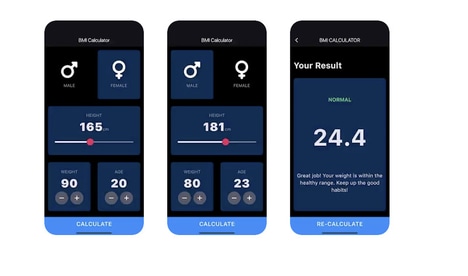
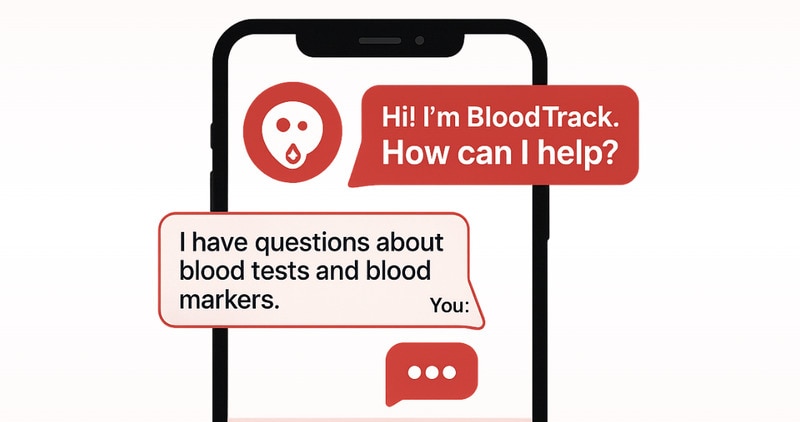
BloodTrack is a digital platform designed to help users manage and analyze their blood test results over time. The tool allows users to upload lab PDFs and other medical documents, transforming raw data into visual trends and actionable insights.
By tracking key health markers, users can monitor changes in their blood profiles, identify patterns, and better understand their overall health trajectory. The platform focuses on data organization, visualization, and secure storage, ensuring sensitive medical information remains private while remaining easily accessible. For individuals, healthcare professionals, or wellness-focused users, BloodTrack can provide a structured approach to managing blood test data, making it easier to interpret results, monitor interventions, and make informed health decisions without manually tracking multiple reports.
Image Credit: BloodTracker
Key Themes Behind This Trend
- Personalized Longitudinal Health Monitoring
- A shift toward continuous tracking of individual biomarkers over months and years could enable predictive models that redefine preventative care pathways.
- Medical Data Visualization
- Clear, standardized visual representations of lab results may transform clinician-patient communication and reduce diagnostic ambiguity across care settings.
- Consumer-controlled Health Records
- Greater user ownership of lab PDFs and medical documents can create new markets for interoperable, privacy-first platforms that centralize personal health intelligence.
Where This Applies
- Digital Health Platforms
- Platforms that integrate lab ingestion, analytics, and longitudinal dashboards are positioned to displace fragmented patient data workflows with unified experiences.
- Laboratory Services
- Labs that expose standardized, machine-readable outputs may capture downstream value by enabling third-party analytics and subscription insights tied to test results.
- Health Insurance
- Insurers leveraging validated biometric trends from consumer-managed blood data could redesign risk assessment and personalized wellness incentives.