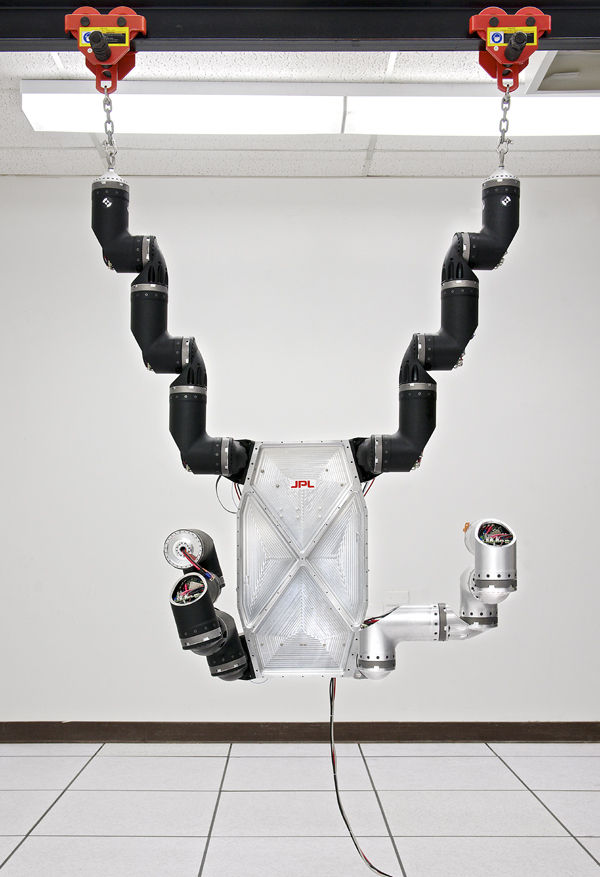
The Sounding Oceanographic Lagrangrian Observer Thermal RECharging--or SOLO-TREC for short--is the world's first underwater robot powered only by thermal energy. The vehicle is therefore not limited by a depleting energy source and can stay underwater for long periods of time.
SOLO-TREC was developed by researchers from NASA's Jet Propulsion Lab, Scripps Institution of Oceanography and the US Navy. The 1.7 watts of energy needed to power SOLO-TREC is derived from the temperature differences found at varying ocean depths.
What's Driving This Trend
- Thermal Energy-powered Vehicles
- Developing vehicles powered solely by thermal energy could revolutionize various industries by providing a sustainable and unlimited source of power.
- Extended Underwater Operations
- Advancements in underwater robots like SOLO-TREC enable longer operational periods, creating opportunities for industries such as ocean research, offshore energy, and underwater construction.
- Collaborative Research and Development
- The collaboration between NASA, Scripps Institution of Oceanography, and the US Navy for the development of SOLO-TREC highlights the potential for innovative partnerships to drive disruptive advancements in technology and research.
Who This Affects Most
- Ocean Research
- The development of thermal energy-powered underwater robots presents new possibilities for conducting extensive and prolonged ocean research without the constraints of limited power sources.
- Offshore Energy
- Thermal energy-powered vehicles like SOLO-TREC could transform offshore energy operations by providing a sustained power supply for underwater monitoring and maintenance tasks.
- Underwater Construction
- The extended operational capabilities of underwater robots utilizing thermal energy open up opportunities for more efficient and cost-effective underwater construction projects.