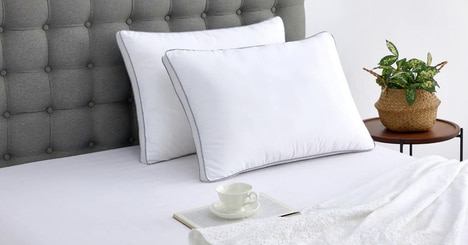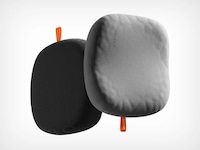
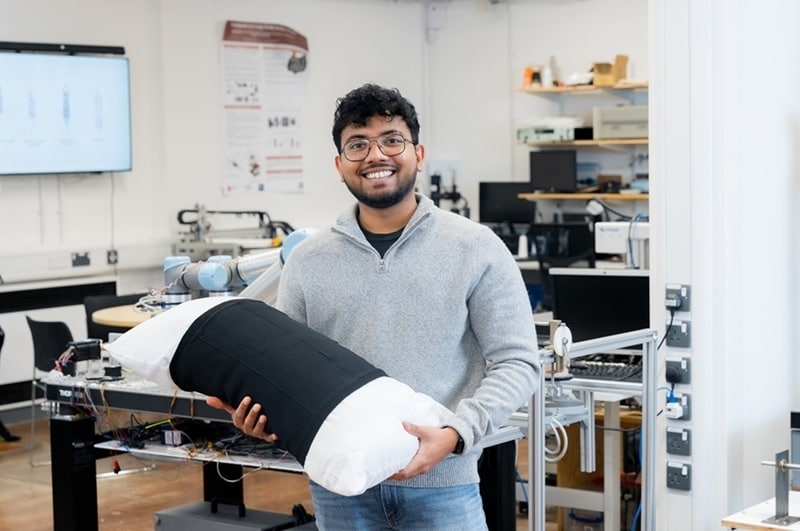
Nottingham Trent University’s smart pillow sleeve introduces a new approach to assistive technology by embedding vibration-based alert systems directly into soft, everyday textiles. Designed with input from the Deaf community, the sleeve integrates tiny haptic actuators into yarn-like fibers, allowing users to receive distinct vibration signals for alarms, calls, or emergencies without discomfort. By replacing bulky under-pillow devices, the design prioritizes comfort, usability, and seamless integration into daily routines.
This development highlights growing demand for discreet, user-centered assistive solutions. Companies in health tech, wearables, and smart home ecosystems could explore similar textile-based integrations to expand accessibility-focused product lines. It also opens opportunities for partnerships between textile manufacturers and technology firms, particularly in creating washable, durable smart fabrics. As inclusive design becomes a stronger priority, solutions like this may drive new product categories and differentiate brands focused on comfort, safety, and accessibility.
Image Credit: Nottingham Trent University
What Makes This Trend Stand Out
- Haptic-enabled Everyday Textiles
- Embedding discreet haptic actuators into everyday fabrics creates a new class of comfortable, unobtrusive alert systems that can replace bulky assistive devices.
- Washable Durable Smart Fabrics
- A demand for reliably washable and long-lasting electronic textiles emerges as integration of sensors and actuators into soft goods becomes mainstream.
- Inclusive Design for Sensory Accessibility
- Design processes centered on the needs of Deaf and hard-of-hearing communities drive products that deliver personalized, non-visual notification experiences integrated into daily routines.
Sectors Adopting This
- Wearable Health Technology
- Wearables that incorporate textile-based haptics can broaden monitoring and alert functions while prioritizing comfort and continuous wearability.
- Home and Bedding Manufacturers
- Pillow and bedding brands integrating smart sleeves or embedded actuators introduce opportunities for safety- and comfort-focused sleep products that blur the line between bedding and assistive tech.
- Textile Manufacturing and Materials
- Fiber and yarn producers able to embed electronics into washable, flexible strands position themselves to supply the foundational components for a new ecosystem of smart soft goods.