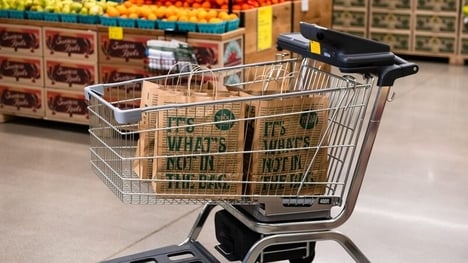
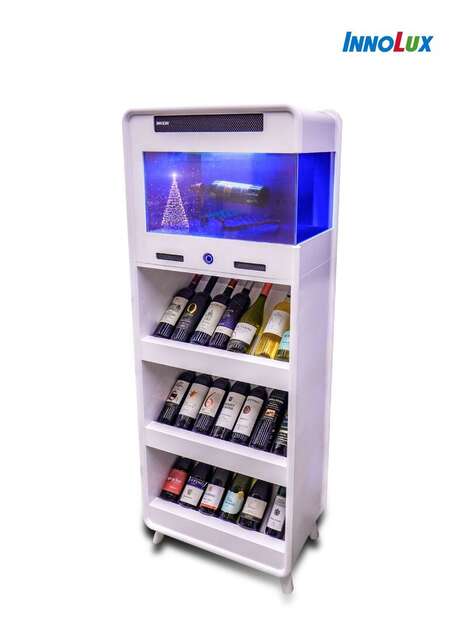
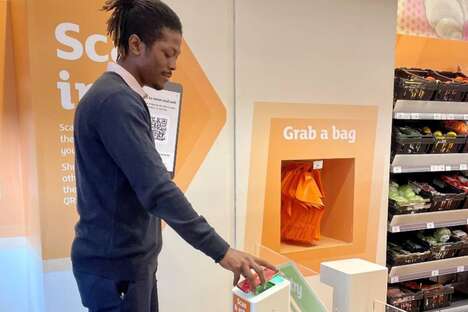
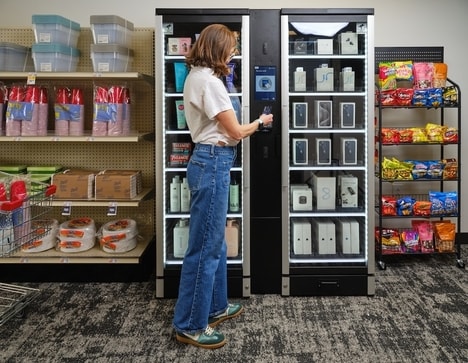
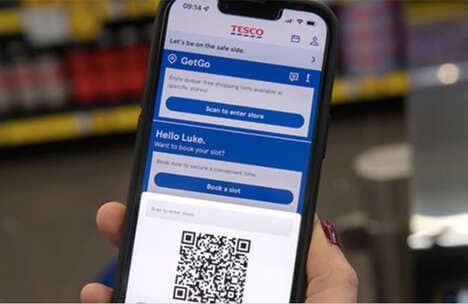
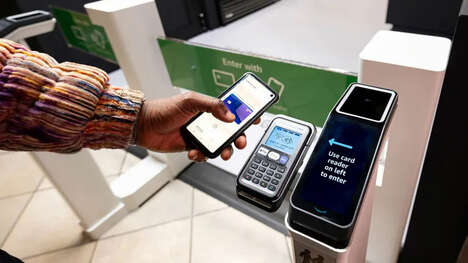
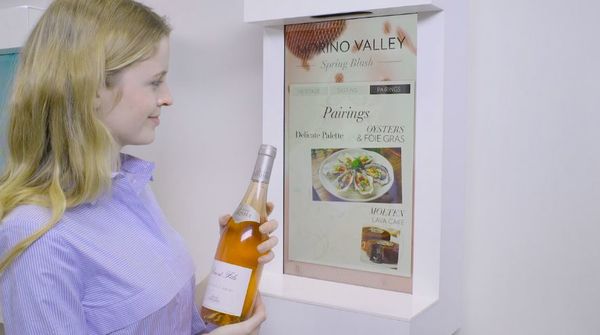
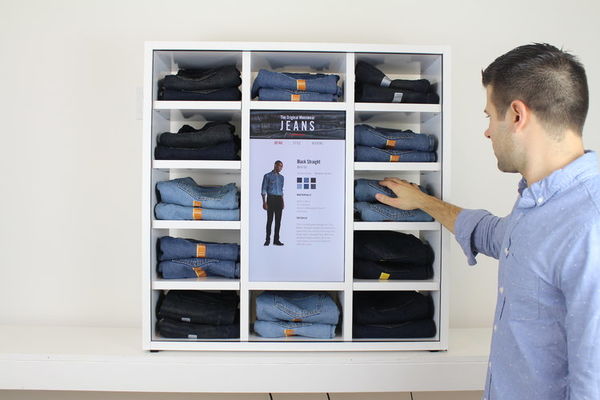
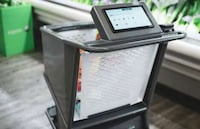
The future of retail is a hot topic for many, including Adobe. The tech company just opened doors to a prototype store in Las Vegas, Nevada, that includes everything from Smart Internet Connected Bags, smart beacons and so much more. The first comes from a startup called Twyst. Its RFID shopping backs automatically inventories whatever a consumer puts in it in order to charge their credit card when they exit the store.
By using the Smart Internet Connected Bags, Twyst makes the current checkout model completely obsolete. More than that, it bridges the gap between online and offline shopping beautifully. People will be able to browse and shop effortlessly, enjoying the in-person interaction while not completely sacrificing the time saved online.
What Makes This Trend Stand Out
- Smart Internet Connected Bags
- The integration of RFID technology in shopping bags allows for seamless inventory tracking and automated payment, revolutionizing the checkout process.
- Smart Beacons
- Smart beacons provide retailers with new opportunities for personalized and location-based marketing, enhancing the in-store experience for customers.
- Prototype Stores
- The advent of prototype stores allows retailers to experiment with cutting-edge technologies and creative store designs to enhance customer engagement.
Sectors Adopting This
- Retail
- The integration of Smart Internet Connected Bags and Smart Beacons offer new ways for retailers to optimize operations, while also providing a more seamless shopping experience for customers.
- Technology
- The development of Smart Internet Connected Bags and Smart Beacons demonstrates the power of RFID technology and the potential for future innovation in retail.
- Design
- The rising popularity of prototype stores presents opportunities for design professionals to explore creative approaches to store design that integrate cutting-edge technology and customer engagement strategies.