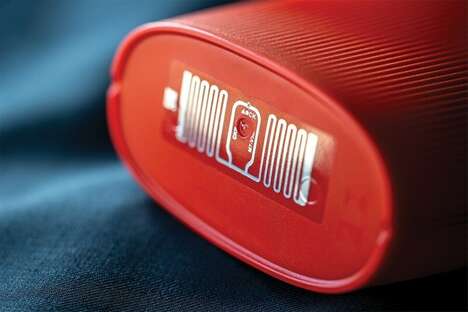
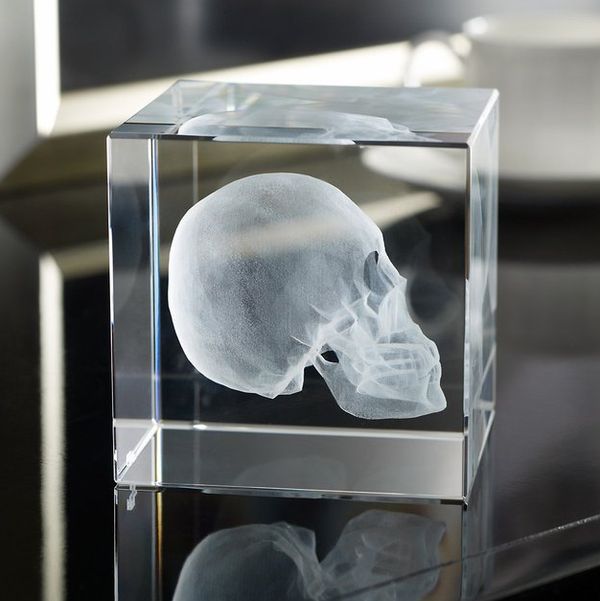
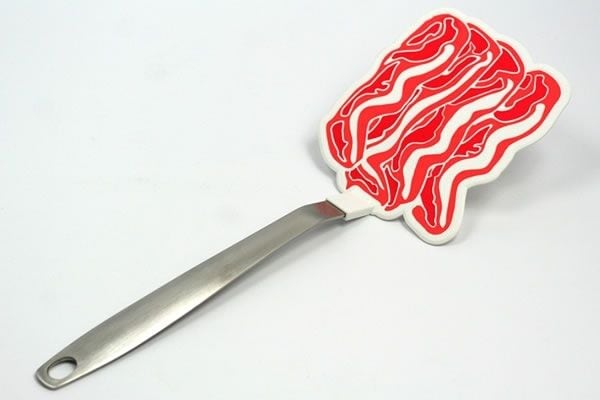
Arguments over who does the dishes more may become a thing of the past if the Smart Dish System ever goes from concept to reality. Jeongmi Lee designed this quirky dish set which tracks who does the dishes more using RFID tags and Bluetooth technology.
The chips track who is doing the dishes and logs the data into a specially designed dining room table that features a built-in electromagnet. The table then moves the dishes (and the food inside of them) closer to whoever does them more. While the system seems a little too complicated to create, I do like the idea behind it. The concept encourages couples to share household duties in a non-confrontational and fun way. You can see a video of Jeongmi Lee's Smart Dish System in action here.
What Makes This Trend Stand Out
- Smart-dish Technology
- The concept of using RFID tags and Bluetooth technology to track and log household chores presents an opportunity for disruptive innovation in home automation.
- Equal Distribution
- The idea of promoting equal distribution of household duties through innovative tracking systems can lead to disruptive innovation in relationship dynamics and gender equality.
- Gamification of Chores
- The integration of technology and gamification elements in household chores can create disruptive innovation by making mundane tasks more engaging and enjoyable.
Sectors Adopting This
- Home Automation
- The smart-dish system's use of RFID tags and Bluetooth technology suggests disruptive innovation opportunities in the home automation industry.
- Relationship Counseling
- Promotion of equal distribution of household duties through technology can create disruptive innovation opportunities in the relationship counseling industry.
- Edutainment
- The gamification of household chores presents disruptive innovation opportunities in the edutainment industry by combining education and entertainment elements.