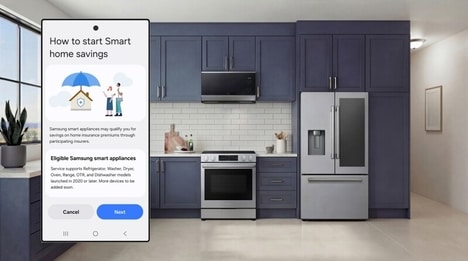
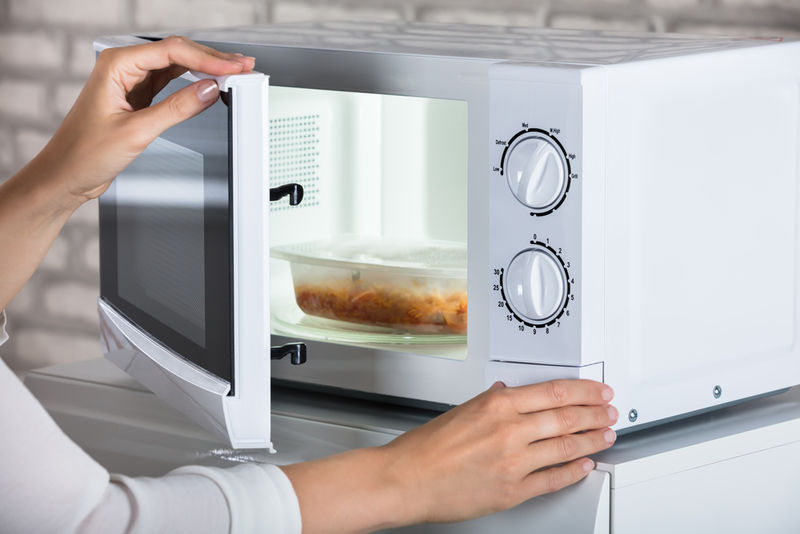
Scientists from the Computer Science and Artificial Intelligence Lab, at MIT, recently created a wireless system that tracks appliance data. The appliance data will be used to monitor the effects that microwaves and other appliances may have on the user's health. The data can also be used by insurance companies, who may be interested in risks associated with appliance usage.
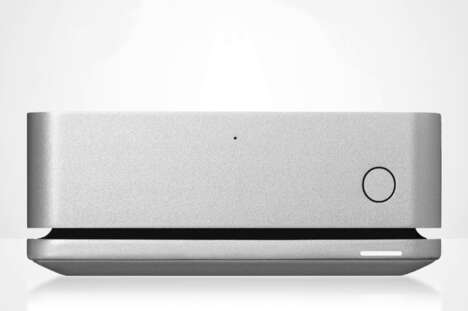
The system is named Sapple and it relies on a smart electricity meter, as well as a wireless device that tracks radio signals. Signals are used to power machine learning, which will determine which appliance is in use.
A PhD student named Chen-Yu Hsu, one of the people working on the project spoke about potential implications, “it has potential to improve things like energy saving and efficiency, give us a better understanding of the daily activities of seniors living alone, and provide insight into the behavioral analytics for smart environments”
Image Credit: Shutterstock
What's Driving This Trend
- Appliance Data Tracking
- Disruptive innovation opportunity: Developing smart appliances that can monitor and optimize health outcomes.
- Machine Learning in Energy Consumption
- Disruptive innovation opportunity: Integrating machine learning algorithms into smart electricity meters to improve energy saving and efficiency.
- Behavioral Analytics for Smart Environments
- Disruptive innovation opportunity: Utilizing appliance data and machine learning to gain insights into behavioral patterns and improve user experiences in smart environments.
Who This Affects Most
- Appliance Manufacturing
- Disruptive innovation opportunity: Incorporating wireless tracking systems into appliances to provide health monitoring and personalized recommendations.
- Insurance
- Disruptive innovation opportunity: Harnessing appliance data to analyze risks associated with usage and develop new insurance products and pricing models.
- Energy Management
- Disruptive innovation opportunity: Integrating machine learning and data analytics into smart electricity meters to optimize energy consumption and enable real-time monitoring and control.