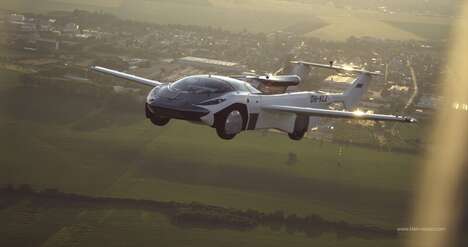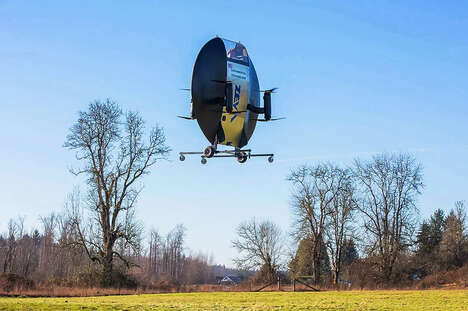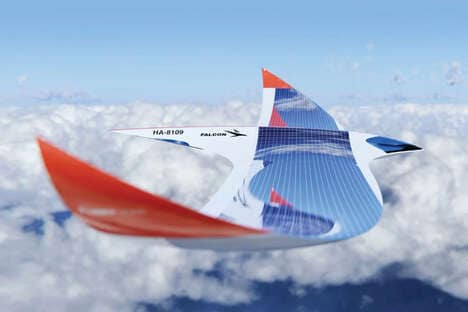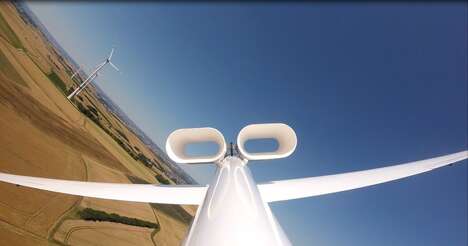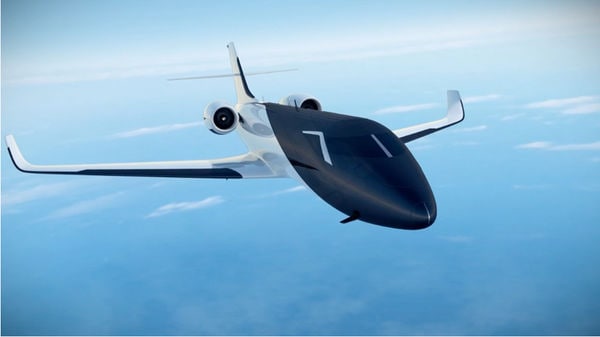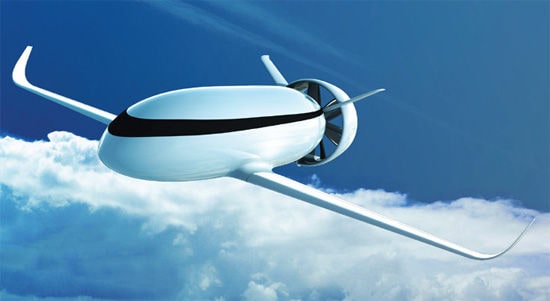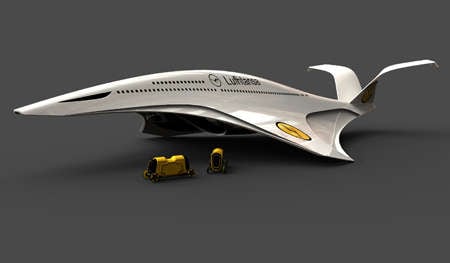

The Cri-Cri is officially the world's smallest electric plane and has finally taken it's maiden flight. The first flight lasted only seven minutes, but all systems ran perfectly. Aerobatic maneuvers will happen in the near future after enough test flight time and landings have occurred.
Creating much less noise while in flight, as well as being extremely eco-conscious (it has zero carbon emissions), the world's smallest electric plane will hopefully provide answers and inspiration for future airborne hybrid vehicles.
What Makes This Trend Stand Out
- Micro-electric Aviation
- Creating more efficient and eco-conscious electric planes for personal and commercial use.
- Electric Aerospace
- Developing electric aircrafts on a larger scale for transportation and freight purposes.
- Green Innovation in Aviation
- Exploring sustainable alternatives for traditional aviation fuel for the future of air transportation.
Sectors Adopting This
- Aviation
- High potential for airline and private aviation companies to invest in and develop micro and electric aircrafts.
- Aerospace
- Developing electric aircraft technology for the aerospace industry could lead to efficient and sustainable options for commercial and military needs.
- Clean Energy
- Clean energy companies could explore possible solutions for alternative, carbon-free fuels that could be used in electric, micro, or hybrid aircrafts.