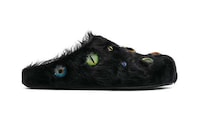
Silly googly eyes are often associated with arts and crafts or are a way of staring at someone with extreme affection. Essentially, the physical form is a pair of eyes used to imitate eyeballs. Do you remember gluing them on pictures and paper dolls in kindergarten? Well, the people behind the Deep Sea Fauna blog do.
They decided to apply the kindergarten art form to their photos of underwater creatures. The series of googly eyed sea-life is playful and imaginative. Some of the sea-life they chose to give added eyesight to are creatures like sea urchins, various types of sea-worms, jellyfish and octopi.
The googly eye aspect is just meant to bring attention to the site (which seems to be working well). The point of the page is to provide viewers with the latest cutting-edge marine science about the creatures featured.
Why This Trend Is Growing
- Playful Imagery
- The use of playful imagery in scientific content can capture audiences' attention and increase engagement.
- Creative Marketing
- Using creative and unconventional marketing techniques, such as adding googly eyes to photos, can generate buzz and increase brand awareness.
- Science Communication
- Using visually engaging content can make scientific information more accessible and understandable to wider audiences.
Industries Being Reshaped
- Marine Science
- Marine science research and education can benefit from using innovative ways to share information and engage with the public, such as through the use of playful imagery.
- Marketing and Advertising
- Creative marketing and advertising companies can explore unconventional and playful tactics, such as adding googly eyes to photos, to stand out and capture people's attention.
- Education and Outreach
- Educational and outreach initiatives can incorporate playful imagery and visual aids to make information more accessible and engaging for students and the general public.