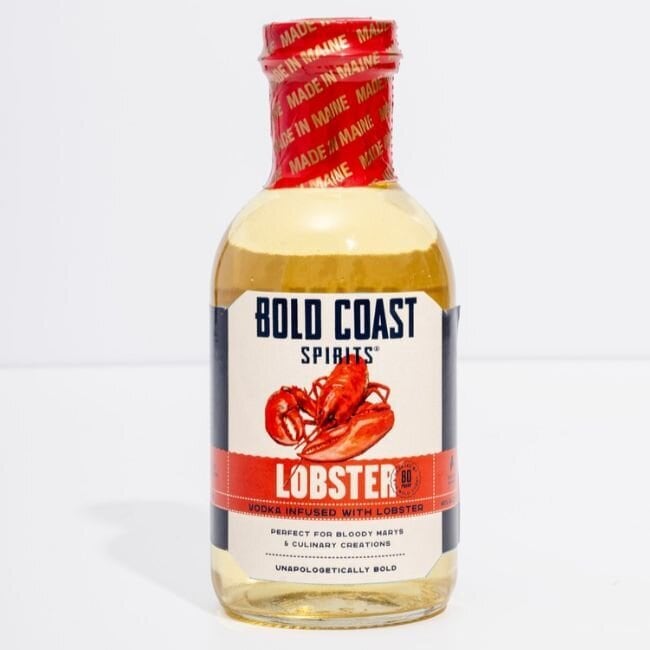
Bold Coast Spirits created 'Lobster Vodka' to bring lobster flavor to drinks and recipes, infusing the spirit with Maine lobster shells for cooks and bartenders who want a savory pour. It is the Portland distiller's second shell-driven bottle, following 'Oyster Shell Vodka' from about 10 years ago.
The shells come from Luke's Lobster. Only about 20-25% of a whole lobster is usually eaten, leaving shells with enough flavor to give the vodka a buttery, savory profile suited to sauces and Bloody Marys. Pre-orders are open on the Bold Coast Spirits website for $29.99 per bottle. Shipping is expected the week of 26 October.
A first run of 600 bottles keeps the vodka in small-batch territory, giving Bold Coast a clearer crossover between pantry ingredient and bar pour. Using shell waste as the flavor source also widens what buyers expect from flavored vodka, moving the category toward culinary use alongside cocktails.
Image Credit: The Spirits Business
What's Driving This Trend
- Shell-upcycled Spirits
- Seafood byproducts are being reframed as premium flavor inputs, creating room for waste-derived alcohols that merge sustainability credentials with distinctive regional taste profiles.
- Culinary Cocktail Ingredients
- Savory spirits designed for both recipes and drinks are expanding the role of alcohol beyond the bar, signaling new hybrid products for chefs, home cooks, and mixologists.
- Regional Flavor Distilling
- Place-based ingredients such as Maine lobster shells give small-batch spirits a stronger provenance story, allowing local food ecosystems to influence premium beverage innovation.
Who This Affects Most
- Alcoholic Beverages
- Vodka makers can differentiate in a crowded flavored spirits market through unexpected savory infusions that shift consumer perceptions from novelty pours to functional culinary staples.
- Seafood Processing
- Shell waste gains higher-value commercial potential when redirected into specialty food and beverage products, strengthening circular economy models across coastal supply chains.
- Foodservice and Hospitality
- Restaurants and bars benefit from ingredient-led spirits that support signature cocktails, sauces, and menu storytelling while reinforcing demand for experiential dining and drinking formats.