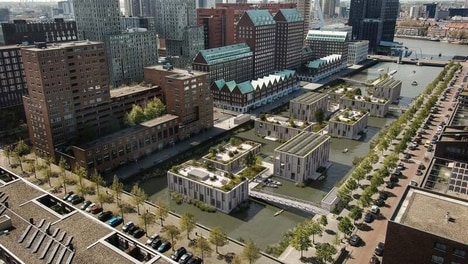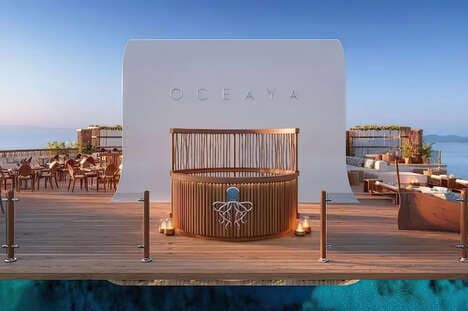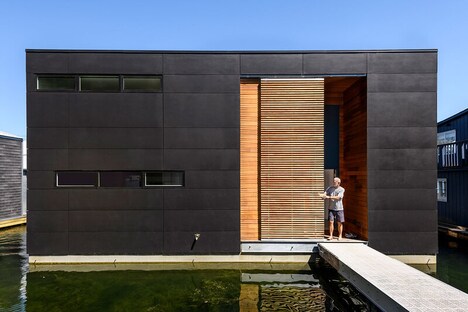


This floating ocean society, the SESU Seastead, was created by Estonian architect Marko Järvela of Hirvesoo Arhitektibüroo.
The utopia not only caters to basic needs and being very environmentally-friendly, but as also designed to allow "soft values" such as frequent meditation to flourish.
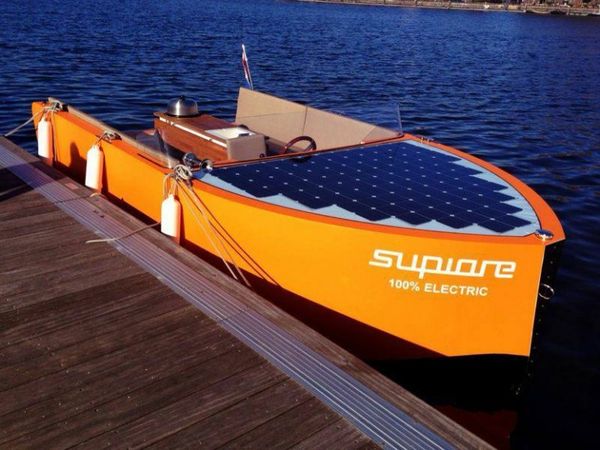
The SESU Seastead (which stands for SElf-SUstained seastead) is a micro-city on the ocean integrating eco-friendly features like solar energy harvesting and plenty of vegetation which not only nourishes people living on the SESU Seastead, but plays a role in climate regulation.
As land is quickly being filled with architecture and real estate is popping up everywhere, TSI is looking at the 70% of the planet covered in water and seeking innovative ways to create sustainable living environments.
What Makes This Trend Stand Out
- Floating Green Micro-cities
- The trend of creating self-sustained, eco-friendly micro-cities on the ocean presents disruptive innovation opportunities for sustainable living and climate regulation.
- Soft Values Integration
- The trend of integrating soft values like meditation and well-being into architectural designs allows for the creation of holistic and harmonious living environments.
- Utilizing Water Resources
- The trend of exploring innovative ways to utilize the 70% of the planet covered in water opens up opportunities for creating sustainable living environments and reducing pressure on land resources.
Sectors Adopting This
- Architecture and Design
- The architecture and design industry can leverage the trend of floating green micro-cities to create innovative and sustainable living environments on the ocean.
- Renewable Energy
- The renewable energy industry can tap into the trend of self-sustained micro-cities on the ocean to develop and implement innovative solutions for solar energy harvesting and utilization.
- Wellness and Health
- The wellness and health industry can embrace the trend of integrating soft values into architectural designs to create living environments that prioritize the well-being and mental health of individuals.