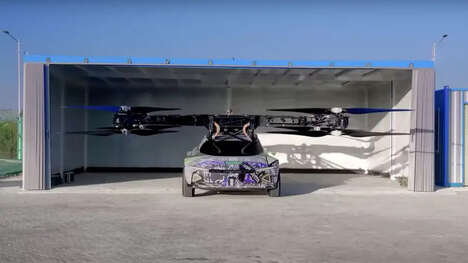
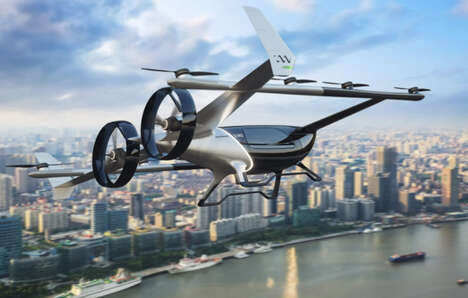
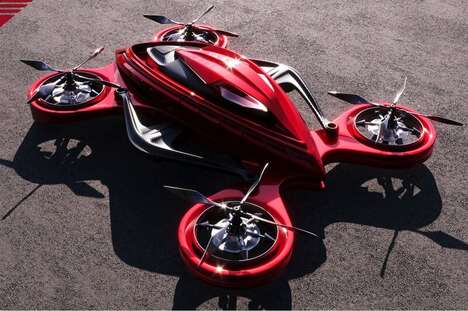
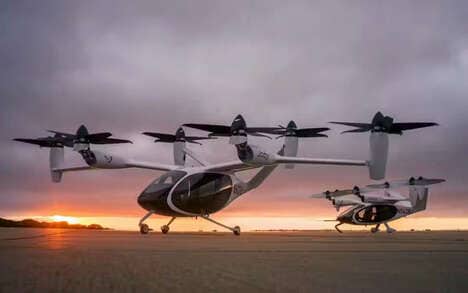
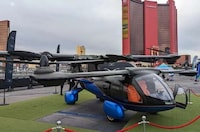
The AutoMobil might not have been put on the market just yet, but at this year's SXSW, CEO Juraj Vaculik announced that soon after it is, a self-flying car will follow hot on its heels. Although that will mean restructuring traffic control in a serious way, this self-flying car can mean many great things for the current infrastructure of bustling cities. Vaculik says, "We need another revolution, we need a revolution in personal transportation."
Although there are many reasons to be skeptical about a self-flying car solution, the AutoMobil is touted as being versatile enough to make a big difference. Set to launch in 2017, the first vehicle will be a two seater and include a parachute. The release will specifically target wealthy super car buyers.
Key Themes Behind This Trend
- Self-flying Cars
- The rise of self-flying cars presents disruptive innovation opportunities in personal transportation and urban infrastructure.
- Restructuring Traffic Control
- The need for restructuring traffic control systems creates opportunities for disruptive innovation in transportation logistics and smart city technology.
- Revolution in Personal Transportation
- The revolution in personal transportation driven by self-flying cars opens up new avenues for disruptive innovation in mobility services and aerial transportation.
Where This Applies
- Automotive
- The automotive industry can capitalize on the self-flying car trend by developing innovative vehicle designs and integrating autonomous flight technology.
- Aerospace
- The aerospace industry can explore disruptive innovation by developing advanced flying vehicle technologies and creating infrastructure to support self-flying cars.
- Smart City
- The smart city industry can leverage self-flying cars to create innovative transportation solutions and improve urban mobility through intelligent traffic management systems.