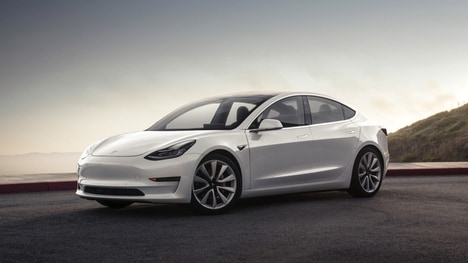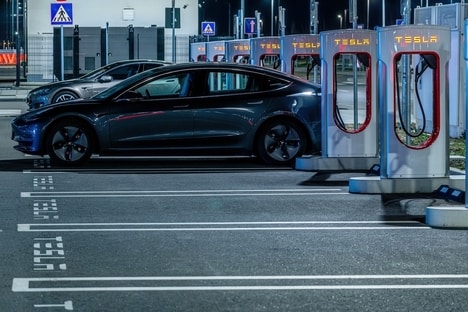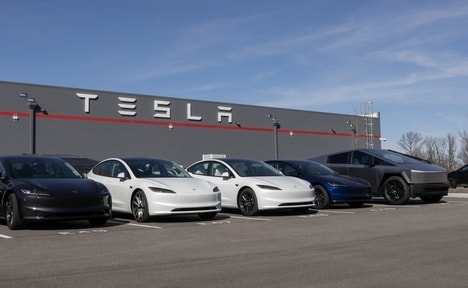
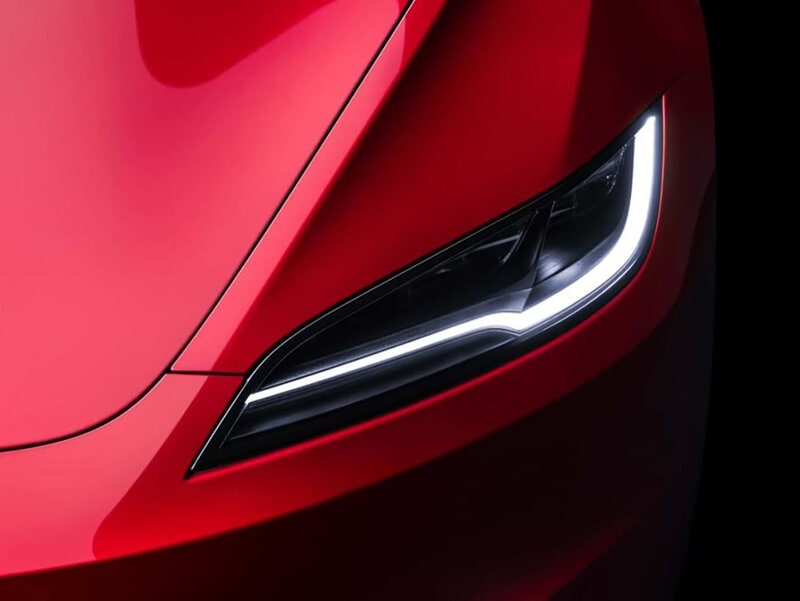
Tesla is testing 'Dynamic Headlight Leveling' so some drivers can let the car correct low-beam aim when hills or cargo change its stance. Built into recent software updates, it keeps the light on the road instead of directing it into other traffic.
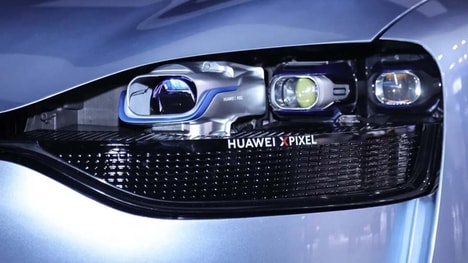
The change appears in updates including version 2026.38, though only a few vehicles seem to have it so far. Sightings in the US and the United Arab Emirates suggest a wider test. Unlike 'Adaptive Headlights,' this function physically tilts the low-beam units rather than pixel-shaping the light.
For consumers, this means fewer hidden calibration chores when the car is loaded up or driven over steep grades. It also nudges expectations toward cars that quietly correct everyday setup on their own. Tesla still appears to be gathering data before a broader release.
Image Credit: Tesla
Why This Trend Is Growing
- Self-calibrating Vehicle Systems
- Automated correction of lighting, suspension, and sensor alignment creates room for vehicles that maintain optimal performance without driver intervention or service visits.
- Load-aware Safety Features
- Real-time responses to cargo shifts and changing vehicle stance highlight a growing market for safety systems that adapt to everyday driving conditions.
- Software-defined Lighting
- Headlight behavior managed through over-the-air updates points to new differentiation in visibility, compliance, and comfort through continuously evolving vehicle software.
Industries Being Reshaped
- Automotive Technology
- Vehicle platforms that combine hardware movement with software intelligence are reshaping how automakers improve safety features after purchase.
- Advanced Driver Assistance Systems
- Adaptive calibration capabilities extend the role of driver assistance beyond steering and braking into subtle environmental and mechanical adjustments.
- Automotive Lighting
- Electromechanical low-beam control introduces fresh opportunities for lighting suppliers to develop smarter, regulation-friendly illumination components.