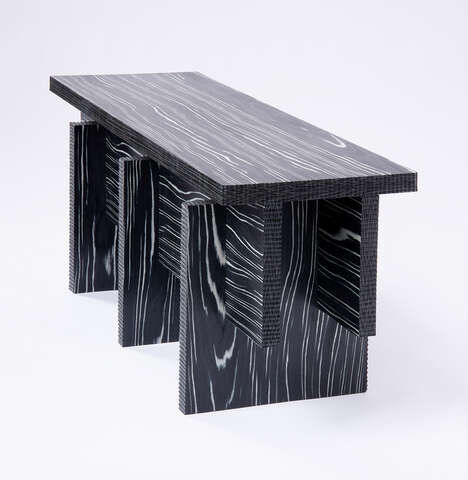
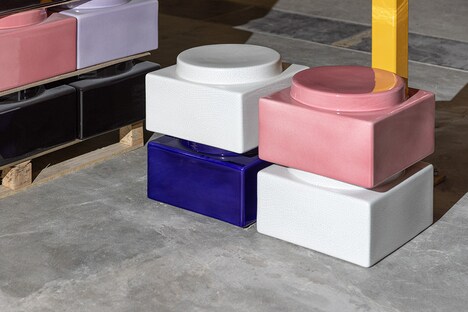
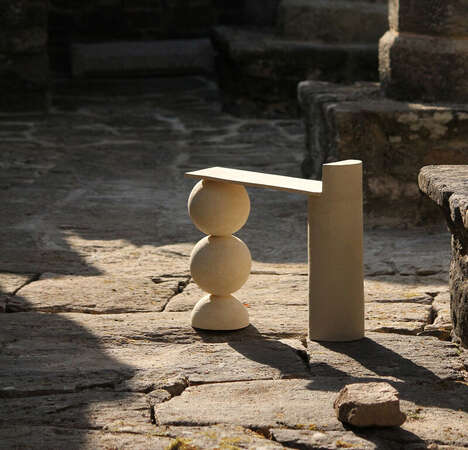
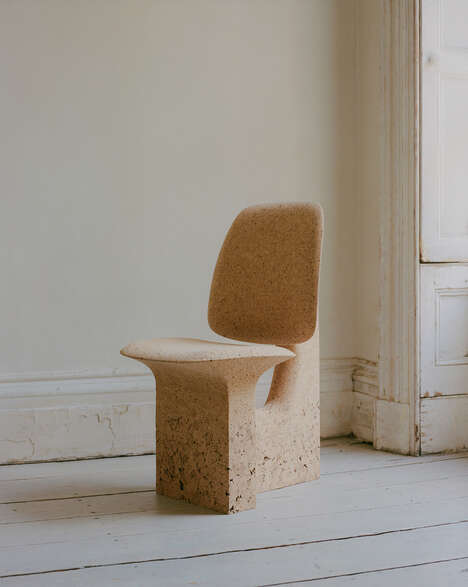
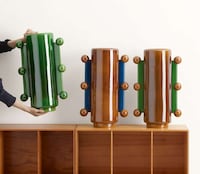
The Seams Collection by Benjamin Hubert examines the process of mass producing materials that come out with zero distinction from one another. For example, most IKEA furniture is mass produced, with a single type of bed available in the thousands. Hubert aimed to keep the efficiency of this process, but change the outcome of each product, if only minutely.
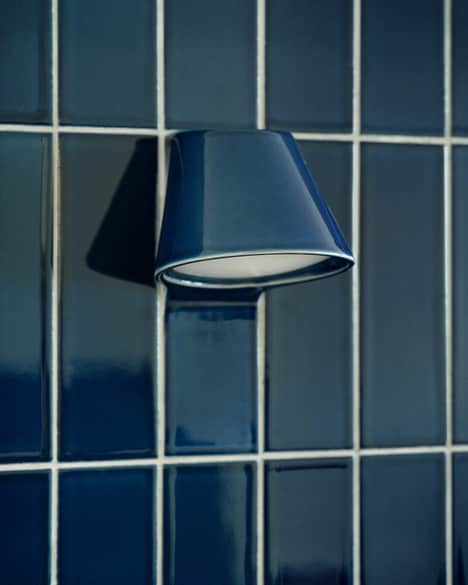
To do this, the artist manipulated the process and explored the art of slip casting too, which resulted in the ceramics coming out with various seams. Usually these seams would be smoothed down to create one continuous surface, but this is where Hubert kept in these imperfections to make each piece different from the next. No two items are alike in the Seams Collection.
Photo Credits: designboom, benjaminhubert
Key Themes Behind This Trend
- Mass Customization
- The Seams Collection demonstrates the potential for mass producing customizable products with slight variations, catering to individual preferences.
- Imperfection as a Design Element
- Benjamin Hubert's use of seams in ceramics highlights a growing trend of embracing imperfections as unique design features.
- Craftsmanship in Mass Production
- The exploration of slip casting in the Seams Collection opens up opportunities to combine traditional craftsmanship with efficient mass production processes.
Where This Applies
- Furniture Manufacturing
- The concept of producing furniture with variations in design and imperfections can disrupt the traditional mass production model in the industry.
- Home Decor
- The trend of incorporating imperfections into home decor products, as seen in the Seams Collection, presents opportunities for differentiation and unique offerings.
- Ceramics and Pottery
- The use of seams as a design element in ceramics challenges conventional techniques and opens up possibilities for innovative product development in the industry.