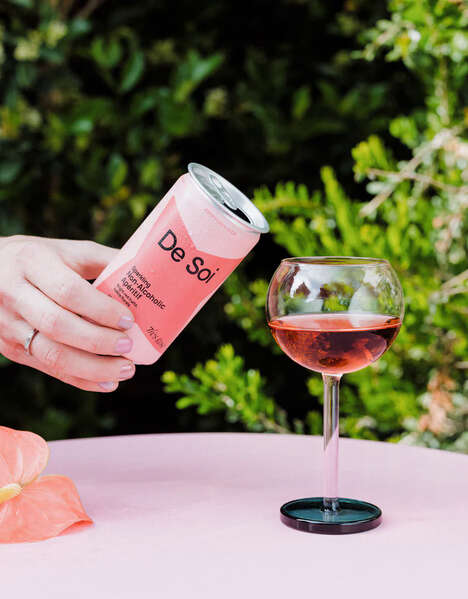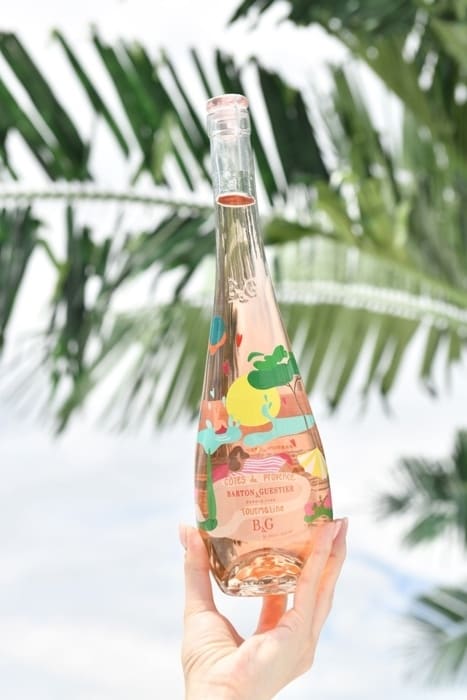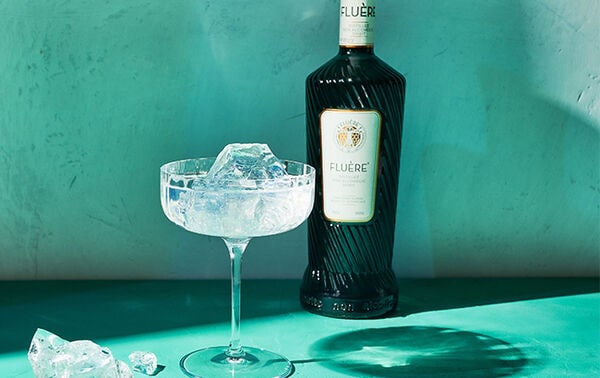
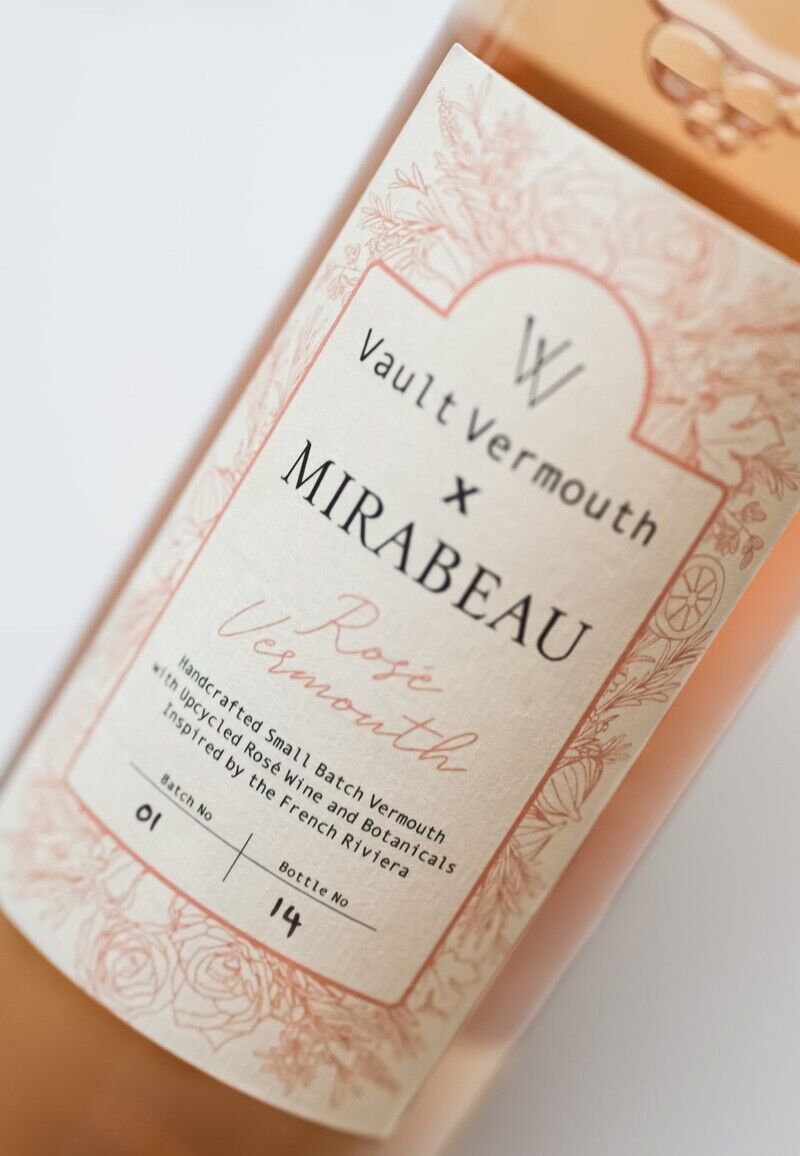
Mirabeau, the famous wine brand based in the south of France, has collaborated with independent London-based distillery Vault Vermouth to create a limited-edition rosé vermouth that is a welcome addition to aperitif culture that takes its inspiration from the delicate botanical beverages of the Provence region.
Made using surplus quantities of Mirabeau's 2019 Vintage Pret-a-Porter cans of rose wine, the Rosé Vermouth uses grape spirit to strengthen the English vermouth, with the addition of pink peppercorns, rose petals, figs, lemon and herbs adding a delectably delicate and inviting character.
This highly aromatic vermouth may be blended with Mirabeau's rose gin to make a unique martini or negroni, but is also recommended to be enjoyed on the rocks or mixed with tonic water.
Image Credit: Maison Mirabeau
What Makes This Trend Stand Out
- Limited-edition Beverages
- Collaborations between alcohol brands and distilleries create opportunities for limited-edition beverages that cater to the preferences of specific markets.
- Botanical-infused Products
- Incorporating botanical ingredients into alcoholic products can add complexity and appeal to traditional drinks such as vermouths and gins.
- Dual-purpose Beverages
- Creating beverages that can be used both as a standalone drink or a mixer offers versatility and convenience for consumers.
Sectors Adopting This
- Alcoholic Beverages
- Alcohol brands may incorporate unique ingredients and production methods to appeal to changing consumer preferences.
- Collaborative Product Development
- Partnerships between different companies can facilitate the creation of innovative products that combine the strengths of each partner.
- Sustainable Beverages
- Using surplus ingredients can create opportunities for sustainable practices while also offering unique and interesting flavor profiles.