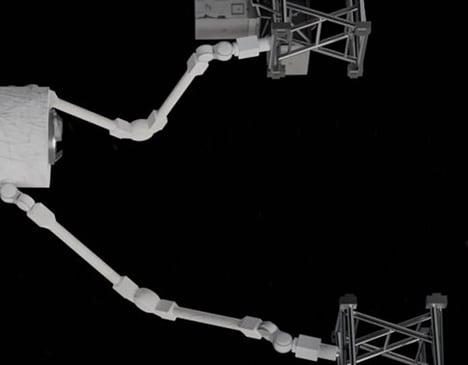
NASA is building a Rodent Habitat module that will be used to send rodent astronauts to the International Space Station. The high-tech rodent cages will fly in August aboard an unmanned SpaceX Dragon cargo ship. They -- and their furry inhabitants -- will be part of an extensive study on the effects of weightlessness in prolonged space voyages.
More than 27 batches of rodents flew on the Space Shuttle between 1983 to 2011. But the next batch will be fitted with digs that would make their predecessors green with envy.
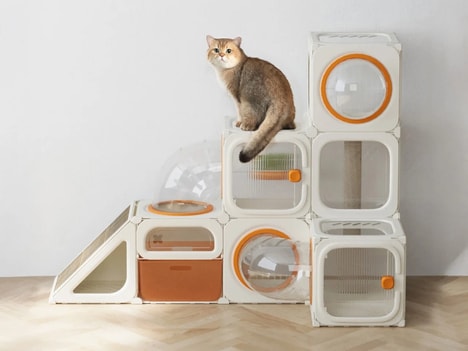
Each Rodent Habitat module can hold up to 10 mice or 6 rats and provide them with food, water, lighting and fresh air. They are also equipped with rods for the rodents to hold onto during flight. Data and video links allow scientists to keep a constant eye on the animals.
What's Driving This Trend
- Rodent Astronaut Studies
- Opportunity for developing new technologies to support long-duration space travel by studying the effects of weightlessness on rodents.
- Advanced Rodent Habitats
- Innovation potential in creating technologically advanced cages for rodents with features such as food, water, lighting, fresh air, and rods for support during flight.
- Remote Monitoring of Animals
- Opportunity to develop monitoring technology that enables constant data and video links for remote observation of animals in space.
Who This Affects Most
- Space Exploration
- Space agencies and private space companies can benefit from the data and technology advancements in rodent habitats for conducting long-duration manned space missions.
- Biotechnology
- Biotech companies specializing in animal research and experimentation can contribute to the development of advanced rodent habitats for studying the effects of weightlessness.
- Technology and Monitoring Systems
- Companies specializing in remote monitoring systems can explore the development of advanced technology for constant data and video links for animal observation in various environments.