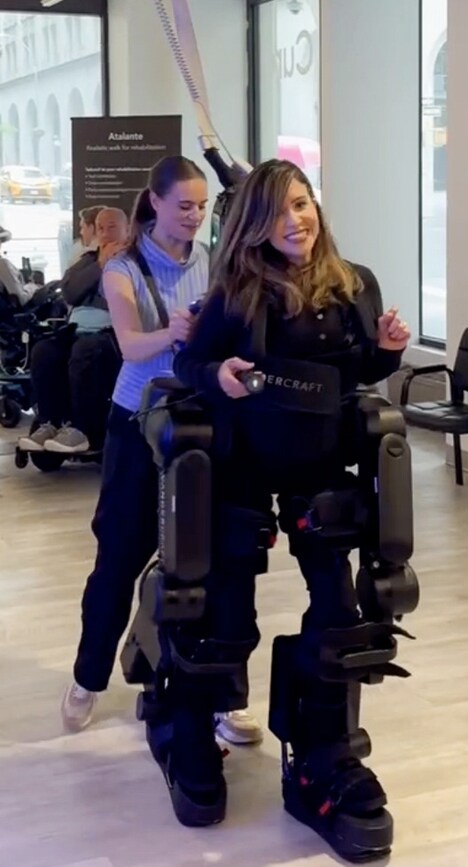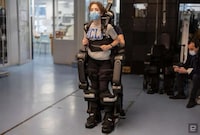
Scientists at the National University of Singapore have developed a high-tech robotic walker that could make it considerably easier to rehabilitate victims of strokes and brain injuries as they learn to walk again. Usually, patients are made to re-learn how to walk on a treadmill with multiple physiotherapists required to hold them up.
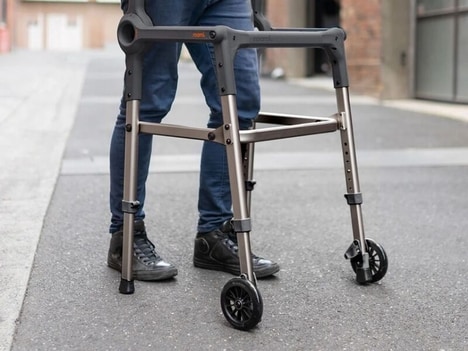
However, the robotic walker is designed to move with the user rather than confining them to a treadmill where they have to be assisted by multiple physiotherapists.
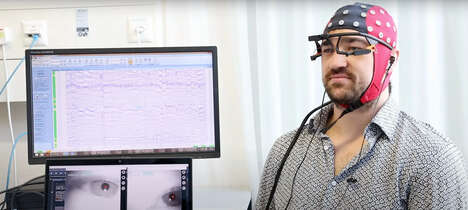
The robotic walker has a special omni-directional platform that supports the patient's body weight. Pelvis and trunk movements are given powered support, while force sensors detect the direction in which the patient is looking to move and ensure that the walker moves in that direction.
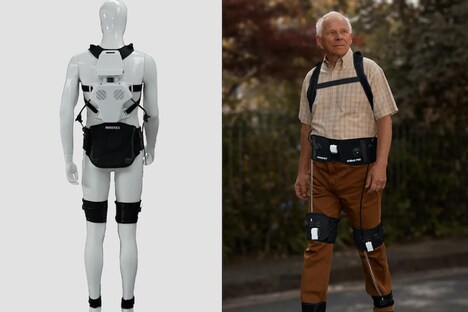
The walker even corrects flawed gait by sending electrical stimulation to specific muscles at key points within the stride.
What's Driving This Trend
- Robotic Rehabilitation
- Developing robotics that can facilitate patient rehabilitation could disrupt the traditional mode of assisted physical therapy.
- Omni-directional Robotics
- Incorporating omni-directional platforms in robotics can create more flexible and adaptable devices for assisting mobility.
- Gait-correcting Robotics
- Creating robots that can detect and correct flawed gait could improve physical therapy outcomes for patients with walking impairments.
Who This Affects Most
- Health Technology
- Disruptive innovation opportunities in health technology include the development of more advanced robotics for rehabilitation purposes.
- Assistive Technology
- Advancements in assistive technology, particularly in the area of mobility aids, could be greatly improved through the use of robotics such as the omni-directional robotic walker.
- Therapeutic Services
- Integrating robotics into therapeutic services could lead to more efficient and effective physical therapy for patients with mobility challenges.