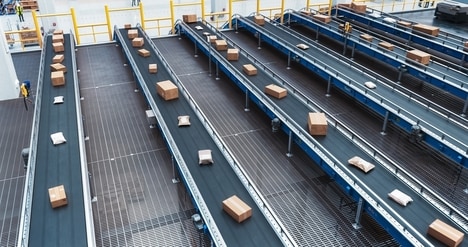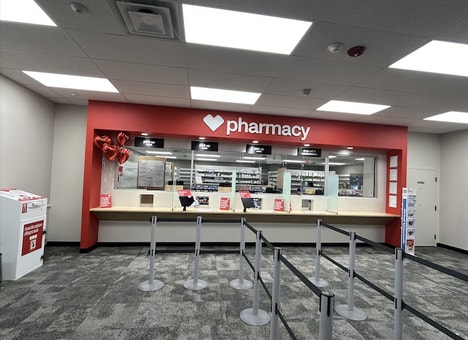
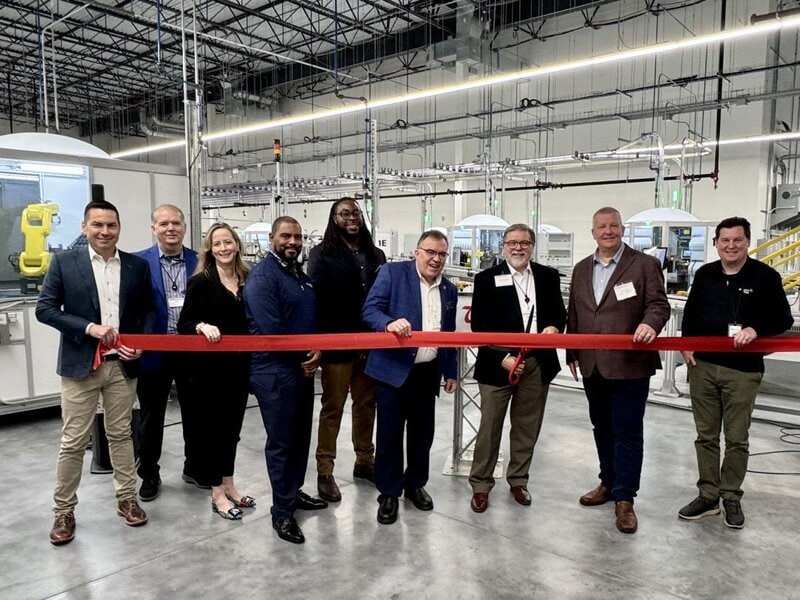
Robotic pharmacy fulfillment is reshaping pharmacy operations by using centralized automated facilities to process prescriptions before they are delivered to local stores. Walgreens' latest micro-fulfillment center uses robotic systems to handle high-volume prescription dispensing, allowing pharmacists to spend less time on routine fulfillment tasks and more time providing clinical services such as vaccinations, medication counseling and adherence support. By shifting repetitive processes to centralized facilities, the model improves operational efficiency while maintaining access to neighborhood pharmacy services.
For pharmacy retailers, this approach helps address growing prescription demand, workforce pressures and rising healthcare expectations. Automating fulfillment can reduce operational costs, improve prescription accuracy and create more capacity for pharmacists to deliver value-added healthcare services. As community pharmacies increasingly evolve into healthcare destinations, robotic fulfillment centers could become a key part of modern pharmacy infrastructure, supporting both improved patient experiences and more sustainable business operations.
Image Credit: Walgreens
What's Driving This Trend
- Automated Prescription Fulfillment
- Centralized robotic dispensing creates room for pharmacies to shift labor from repetitive processing toward higher-value patient care and clinical support.
- Pharmacy Micro-fulfillment
- Compact fulfillment centers near retail networks offer a scalable model for improving prescription speed, accuracy and cost efficiency across community pharmacy operations.
- Clinical Retail Pharmacy
- Automation-enabled workflow changes position neighborhood pharmacies as more service-oriented healthcare hubs for counseling, vaccinations and adherence programs.
Who This Affects Most
- Retail Pharmacy
- Robotic fulfillment infrastructure supports margin resilience and service expansion as pharmacy chains manage rising prescription volumes and staffing constraints.
- Healthcare Automation
- Advanced robotics and software systems are becoming increasingly relevant to medication dispensing, inventory handling and regulated healthcare logistics.
- Pharmaceutical Distribution
- Centralized prescription processing introduces new possibilities for integrated last-mile medication delivery, store replenishment and patient access models.