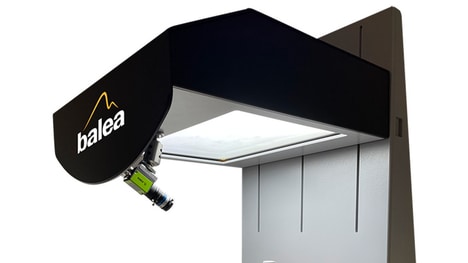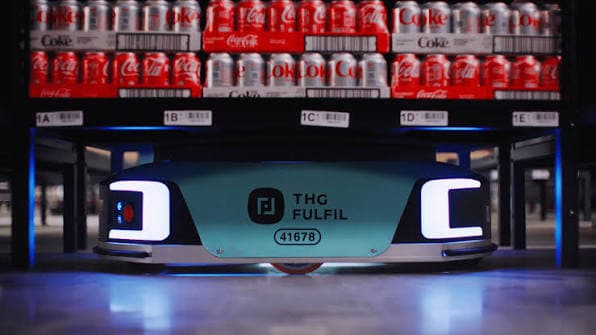

This concept of shelf-less robotic retail reimagines how physical stores operate by shifting inventory into automated back-end systems while turning the front of house into a curated showroom. At a Goody Goody Liquor store in Dallas, customers can browse display bottles, scan QR codes, and use their phones as digital carts while robots retrieve products in seconds. This approach reduces store size while increasing inventory capacity and improving order speed, with fulfillment happening in under half a minute.
This model offers clear advantages for retailers facing rising costs and theft concerns. It enables higher product density, lowers real estate expenses, and minimizes shrinkage by securing inventory. The format also creates opportunities for premium merchandising and data-driven recommendations through digital interfaces. As consumer expectations shift toward speed and convenience, similar systems could reshape retail across categories, from electronics to beauty, where space efficiency and fast fulfillment are critical competitive factors.
Image Credit: Goody Goody Liquor
Why This Trend Is Growing
- Shelf-less Robotic Retail
- Enables compact storefronts with secure, high-density inventory storage that can drastically reduce shrinkage and real estate needs while speeding fulfillment.
- Qr-enabled Digital Showrooms
- Creates immersive product discovery where static displays and QR-driven purchasing blend physical merchandising with personalized, data-rich digital interfaces.
- Automated Micro-fulfillment Hubs
- Shifts fulfillment closer to the customer through small, robot-run back-of-house systems that increase SKU variety per square foot and enable sub-minute order turnaround.
Industries Being Reshaped
- Alcohol and Beverage Retail
- Presents a model for secure, compliant sales of high-value items with minimized theft risk and premium merchandising tied to targeted mobile recommendations.
- Beauty and Personal Care
- Offers space-efficient display strategies for large SKU assortments that pair tactile sampling with frictionless mobile checkout and personalized product suggestions.
- Consumer Electronics Retail
- Supports compact showrooms that showcase high-margin devices while robotics manage bulky backstock, enabling rapid replacement and inventory visibility for complex assortments.