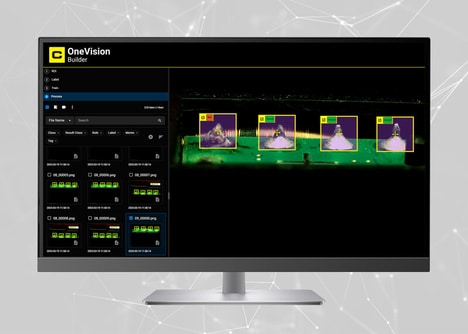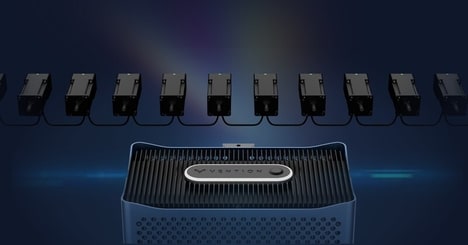
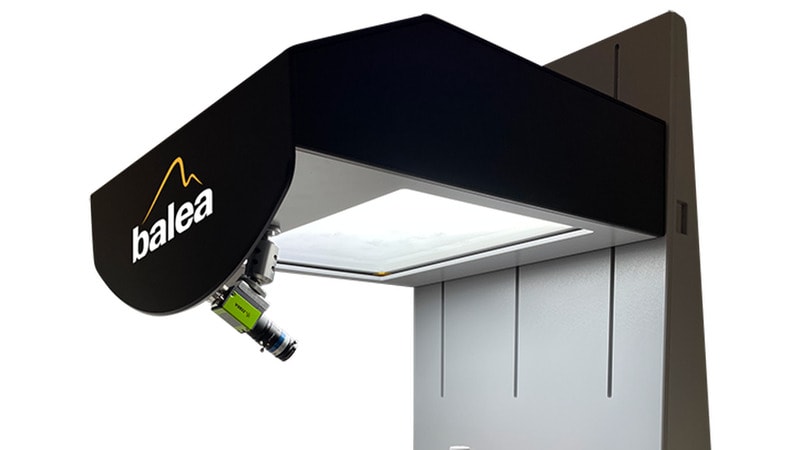
Balea and Zebra introduced the Cosmic Machine Vision, an intelligent vision solution designed to streamline reverse logistics by turning non-barcoded textual information into usable data, featuring a Zebra industrial camera paired with an AI algorithm. The system continuously adapts to specific product characteristics in production, learning from new inputs to improve accuracy and reduce manual rework.
The offering targets retailers facing high return rates and traceability challenges, aiming to cut reverse-logistics costs and speed processing. By automating identification of irregular or unlabeled items, the technology reduces inspection bottlenecks and supports regulatory traceability.
As return volumes and consumer expectations rise, Cosmic Machine Vision represents a practical application of computer vision and AI to make returns handling more efficient and data-driven for supply-chain operators.
Image Credit: Balea
What's Driving This Trend
- Adaptive Computer Vision
- A continuously learning vision layer that refines identification of product-specific features, reducing dependence on fixed templates and manual inspection.
- Text-to-data Recognition
- Augmenting imaging with AI-driven text extraction that converts unstructured labels and markings into structured inventory and traceability metadata.
- Returns Automation at Scale
- High-volume reverse-logistics workflows becoming data-driven through automated identification of irregular or unlabeled items, shortening processing time and lowering costs.
Who This Affects Most
- Retail E-commerce
- A retail segment facing pressure from growing return rates where automated non-barcoded item identification could substantially cut inspection labor and speed refunds.
- Reverse Logistics Providers
- Third-party logistics operators handling returns could see workflows transformed by vision systems that normalize incoming item data and reduce manual sorting bottlenecks.
- Regulatory Traceability Services
- Compliance-focused service providers managing product provenance and recall readiness where automated capture of textual identifiers improves auditability and regulatory reporting.