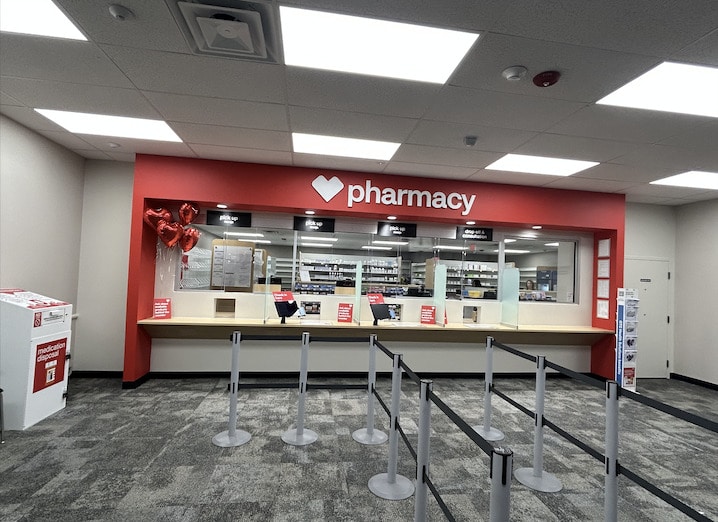
CVS Pharmacy has introduced a new retail format with the opening of its first pharmacy-focused location in Houston, Texas. This marks the beginning of a broader initiative to establish nearly 20 such sites across various communities nationwide, with the store at 8503A Gulf Freeway serving as the inaugural example of this compact, approximately 3,000-square-foot model.
Unlike traditional CVS locations that feature extensive front-store merchandise, these smaller neighborhood pharmacies prioritize prescription services, immunizations, and direct pharmacist consultations while maintaining a carefully curated selection of over-the-counter products. In doing so, the CVS Pharmacy model effectively streamlines the retail experience to emphasize clinical care over general shopping.
All in all, the new format is part of the company's broader strategy to right-size its physical footprint and adapt to changing consumer behaviors.
Image Credit: CVS Pharmacy
Key Themes Behind This Trend
- Pharmacy-first Retail
- Compact pharmacy-led stores reveal potential for healthcare retailers to shift from broad merchandise footprints toward high-frequency clinical service hubs.
- Right-sized Store Formats
- Smaller neighborhood locations create openings for brands to lower operating complexity while tailoring physical retail around essential, service-based consumer needs.
- Curated Health Commerce
- Reduced product assortments paired with pharmacist access signal a more focused retail model where convenience, trust, and clinical relevance define differentiation.
Where This Applies
- Retail Pharmacy
- Pharmacy chains are positioned to reconfigure store portfolios around prescription care, immunizations, and consultations as consumer expectations move beyond traditional front-store shopping.
- Primary Care
- Localized pharmacy formats can expand access to basic health services, blurring the line between retail destinations and community-based care infrastructure.
- Commercial Real Estate
- Demand for smaller healthcare-oriented storefronts may reshape leasing strategies as retailers favor compact footprints in accessible neighborhood locations.