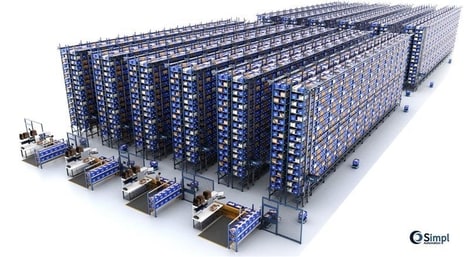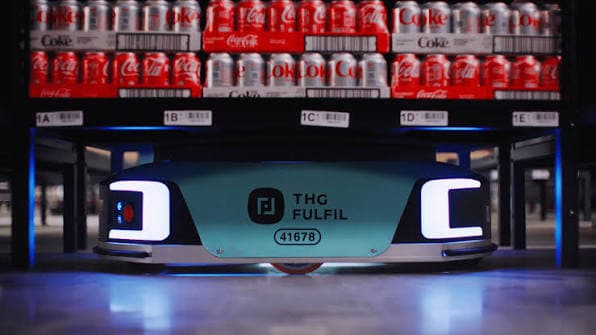

Robotic fulfillment services are making advanced warehouse automation more accessible by replacing large upfront infrastructure investments with subscription-based deployment models. Footasylum's adoption of AutoStore through THG Fulfil combines goods-to-person robotics, AI-backed warehouse software, and Robotics-as-a-Service to create a scalable fulfillment operation that can grow alongside its expanding product range. The system maximizes storage density while streamlining order processing and reducing operational complexity.
For retailers, this approach lowers the financial barriers associated with warehouse automation, enabling faster adoption of enterprise-grade technology without significant capital expenditure. Integrating robotics with proprietary software also provides greater operational visibility, improves inventory management, and supports higher ecommerce order volumes. As more retailers pursue flexible fulfillment strategies, service-based automation models could accelerate digital transformation across the sector while helping businesses improve efficiency, adapt to changing demand, and deliver faster, more reliable customer experiences.
Image Credit: AutoStore
What's Driving This Trend
- Subscription Robotics
- Flexible payment models are shifting warehouse automation from capital-intensive infrastructure to scalable operating services that broaden access for growing retailers.
- Goods-to-person Fulfillment
- Dense robotic storage and automated picking systems are reshaping ecommerce operations by improving speed, space utilization, and order accuracy.
- AI-driven Warehouse Visibility
- Integrated software intelligence is creating more responsive fulfillment networks through real-time inventory insights, demand planning, and operational optimization.
Who This Affects Most
- Retail Fulfillment
- Service-based automation is transforming retailer logistics by enabling faster deployment of advanced warehouse capabilities without major upfront investment.
- Warehouse Robotics
- Robotics providers are expanding market reach through recurring-service models that make enterprise-grade automation viable for mid-sized and scaling businesses.
- Ecommerce Logistics
- Rising online order volumes are driving demand for adaptable fulfillment infrastructure that supports faster delivery, improved reliability, and scalable growth.