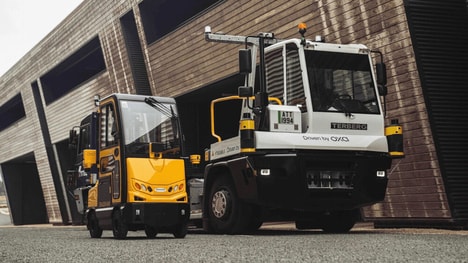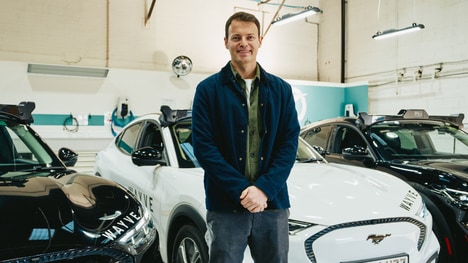
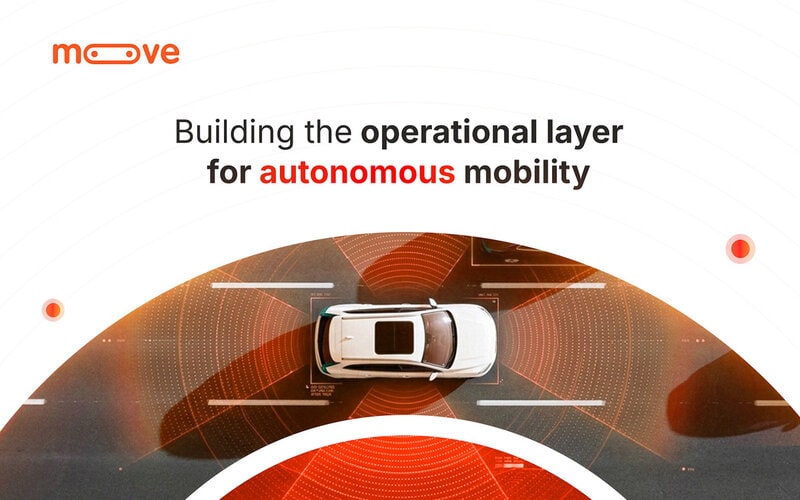
Moove has raised $250 million at a $2.1 billion valuation, led by Mubadala Investment Company, with Woven Capital and Ion Pacific co-leading, to scale its robotaxi fleet management and operating business. Moove was originally founded in Nigeria as a vehicle financing and ride-hailing company. It now operates a 42,000-vehicle, human-driven fleet across 14 countries while simultaneously expanding into autonomous vehicle operations.
Moove currently serves as Waymo's fleet operator in Phoenix, Miami and Las Vegas, with London as the company's next market, and already owns a robotaxi vehicle from an undisclosed AV developer. The new funding is expected to support the hiring of approximately 350 people and the development of automated depots called 'Nests,' designed to provide around-the-clock vehicle charging, maintenance and servicing using robotics.
Moove's rise shows how fleet operations expertise built in traditional ride-hailing can become a critical, overlooked layer of infrastructure for scaling robotaxi networks.
Image Credit: Moove
What's Driving This Trend
- Robotaxi Fleet Operations
- Operational expertise in dispatch, maintenance and utilization is becoming a high-value infrastructure layer as autonomous mobility networks move from pilots to scaled city deployments.
- Automated Vehicle Depots
- Robotics-enabled charging, cleaning and servicing hubs create new efficiencies for keeping driverless fleets road-ready around the clock.
- Mobility Infrastructure Financing
- Capital models developed for ride-hailing fleets are being repurposed to support asset-heavy autonomous vehicle expansion across global markets.
Who This Affects Most
- Autonomous Vehicles
- Fleet management partnerships are reshaping how AV developers commercialize robotaxis without building every operational capability in-house.
- Ride-hailing
- Traditional ride-hailing operators are positioned to evolve into autonomous mobility service providers as human-driven fleet knowledge becomes transferable.
- Smart Transportation
- Connected depots, automated maintenance systems and urban charging networks are forming a new backbone for scalable driverless transportation services.