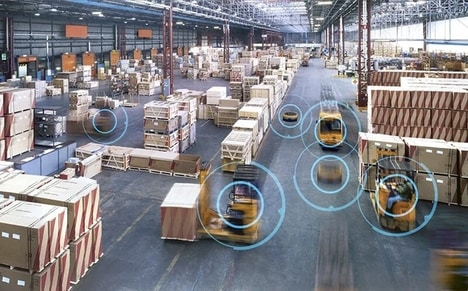
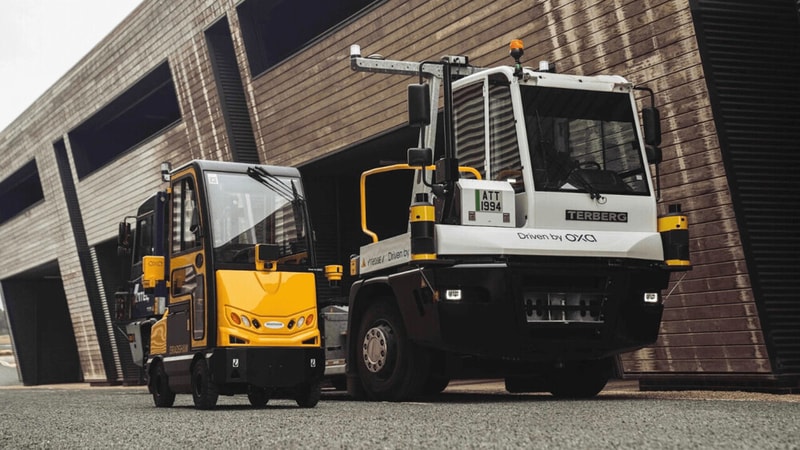
Oxford startup Oxa introduced a software suite for industrial autonomous vehicles, raising a $103M first close of its Series D to scale deployments, featuring Oxa Driver, Oxa Foundry and Oxa Hub. The round included a $50M commitment from the UK National Wealth Fund alongside NVentures, IP Group, Hostplus and bp Ventures.
Oxa supplies autonomy stacks that integrate with existing vehicles—such as tow tractors and logistics shuttles—so operators can retrofit fleets for tasks like yard transport and site monitoring. Oxa Foundry provides developer tooling for configuration while Oxa Hub manages fleet operations and data across controlled sites.
For logistics and infrastructure owners, Oxa’s approach shortens the path to autonomy by avoiding public-road complexity and focusing on closed environments where regulation and risk are lower. Backed by strategic investors, the funding accelerates commercial rollouts across Europe, the UK and the Middle East.
Image Credit: Oxa
Why This Trend Is Growing
- Retrofit Autonomy Platforms
- Emerging software stacks that integrate with existing industrial vehicles enable rapid conversion of legacy fleets into autonomous systems for site-specific tasks.
- Closed-environment Autonomy
- By concentrating on controlled yards, campuses and terminals, autonomy deployments avoid public-road complexity and create predictable operational zones for scaled rollouts.
- Developer Tooling for Industrial Avs
- Advanced configuration and simulation tools for industrial autonomous vehicles reduce integration friction and make customized behavior and compliance tuning more accessible.
Industries Being Reshaped
- Logistics and Warehousing
- Automated tow tractors and shuttles in warehouses and distribution centers can reshape throughput models by enabling continuous, low-risk material movement.
- Ports and Terminal Operations
- Autonomous yard vehicles and monitoring fleets have the potential to compress dwell times and increase asset utilization in container terminals and intermodal yards.
- Manufacturing and Industrial Campuses
- On-site autonomous fleets for intra-campus transport and monitoring may alter internal supply flows and maintenance scheduling across large industrial complexes.