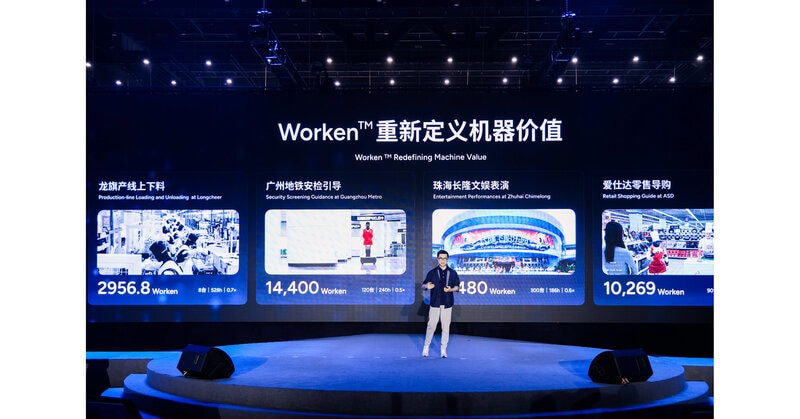
AGIBOT's 'Worken' is a proposed measurement system that evaluates deployed robots by the useful work completed in live operations, not by how many units are built or installed. Aimed at businesses running robots in factories, warehouses and service settings, it gives buyers a way to compare autonomous output across day-to-day work.
Worken uses three inputs: robots that are actively working, the hours they can work on their own and an output ratio tied to acceptable results against a task benchmark. That structure separates real production time from simple power-on time, which matters in jobs such as handling and inspection, where human intervention can quickly cut actual throughput.
The task benchmark and autonomous-hours inputs turn robot buying into an operations question, because businesses can weigh delivered work against lifecycle cost instead of fleet size alone. Autonomous-hours scoring moves robotics vendors toward proving dependable labor in real workplaces, not just shipping hardware.
Image Credit: prnewswire.com
What Makes This Trend Stand Out
- Outcome-based Robotics
- Robot performance is increasingly defined by completed tasks and acceptable outputs, creating space for benchmarking platforms that compare automation by measurable business value rather than installed units.
- Autonomous Labor Metrics
- Standardized scoring around independent operating hours can reshape robotics procurement by making reliability, intervention rates and sustained throughput visible across vendors.
- Lifecycle Productivity Analytics
- Operational data tied to useful work and ownership costs gives enterprises a clearer basis for evaluating whether robotic systems deliver durable productivity gains over time.
Sectors Adopting This
- Industrial Automation
- Factories using robotic handling, assembly and inspection systems can benefit from metrics that connect autonomous uptime to validated production output.
- Warehousing and Logistics
- Fulfillment operations gain new comparison points when robotic fleets are assessed by task completion, exception handling and real throughput during live shifts.
- Service Robotics
- Commercial cleaning, delivery and support robots become easier to justify when performance measures reflect useful work performed in customer-facing environments.