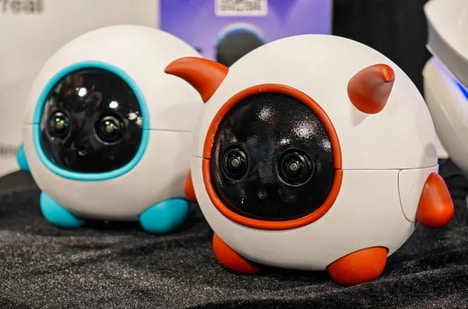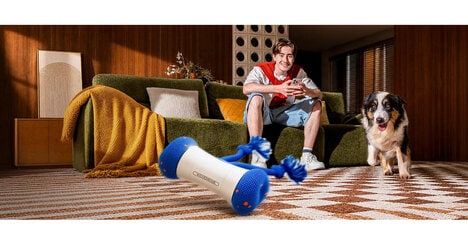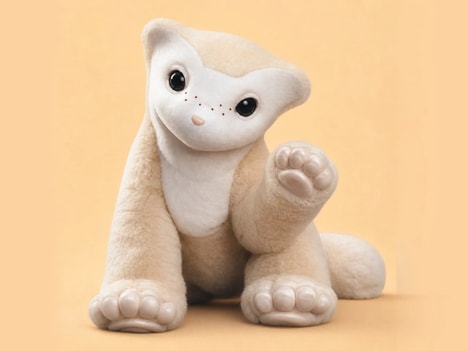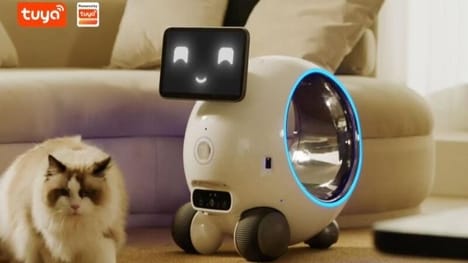
Ruko made the R1 Mini Robot Dog to keep play moving even after a tumble. The compact toy is built for children ages 3 and up, and it combines automatic self-righting with gesture sensing so kids can keep the action going without stopping to reset it.
Two source details make it stand out: 4-way flips and a built-in storytelling mode. The flips give the robot a stunt-style feel, while the storytelling feature adds a calmer way to play when kids want something softer than nonstop action. Its small size also helps it move around a room without needing a big open floor.
For shoppers, this means a robot toy that shifts between high-energy tricks and quieter play in one package. That flexibility makes it easier for families to treat a toy dog as both an interactive companion and a travel-friendly playmate, rather than a gadget that only does one thing.
Image Credit: Ruko
Why This Trend Is Growing
- Self-righting Play
- Toy robotics with automatic recovery features reduce play interruptions and create opportunities for more resilient interactive products in smaller home environments.
- Hybrid Activity Modes
- Combining stunt-based movement with calmer storytelling functions expands the value of robotic toys beyond single-purpose entertainment.
- Gesture-controlled Companions
- Hands-free controls make robot pets feel more responsive and accessible, opening space for intuitive interfaces in early childhood play.
Industries Being Reshaped
- Robotic Toys
- Compact, multifunctional robot companions are reshaping expectations for toys that blend movement, personality, and repeatable engagement.
- Children's Entertainment
- Interactive storytelling embedded in physical toys signals new formats where screen-light play experiences can still feel dynamic and personalized.
- Educational Technology
- Sensor-driven play devices introduce young children to cause-and-effect interaction, supporting new pathways for learning through embodied technology.