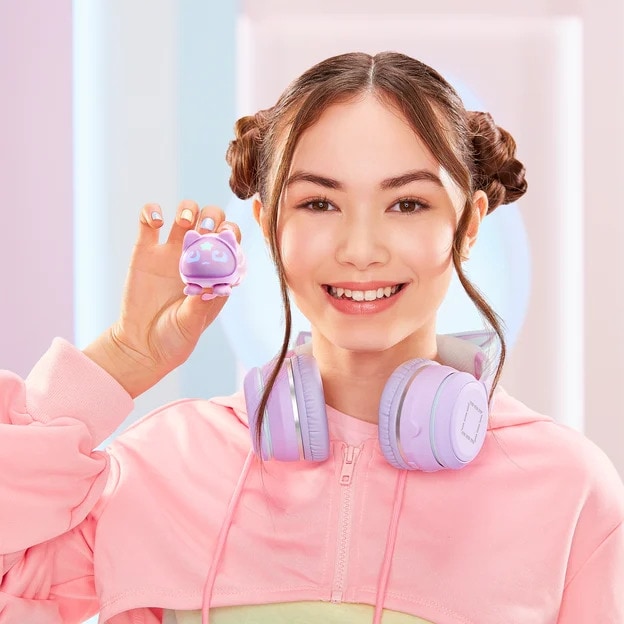
Moose Toys and Tomy are relaunching MicroPets, a range of micro-robotic digital pets first introduced in 2002. Regimagined for a new generation of kids and kidult collectors, MicroPets features updated interactive technology and designs influenced by Japanese kawaii culture. From expressive faces, voices and touch responsiveness, there are more than 50 interactive functions in each MicroPet, plus multi-unit connectivity that lets multiple pets dance, sing, race and react alongside one another.
Over time, with more interactions, a MicroPet provides users access to new play levels and kids will learn the proprietary MicroPets Language. The first pets in the refreshed MicroPets range include a Kitten, Puppy and Bunny, as well as an ultra-rare Golden Kitty to tap into the high demand for exclusive, collectible characters.
What's Driving This Trend
- Micro-robotic Companionization
- Small, autonomous robotic companions that emulate social behaviors present possibilities to redefine emotional attachment and ongoing engagement models for users across age groups.
- Collectible-driven Gamified Play
- Limited-run, rarity-based collectibles integrated with progressive unlocks and multi-unit interactions create new monetization and retention structures around play ecosystems.
- Kawaii-inspired Design Resurgence
- Cute, expressive aesthetics combined with approachable interaction layers open avenues for mainstreaming personality-rich devices that prioritize charm and social shareability.
Who This Affects Most
- Toy Manufacturing
- Integration of advanced sensors, miniature actuators and proprietary social protocols can transform traditional toy lifecycles into software-updated, service-oriented products.
- Edutainment and Language Learning
- Adaptive, play-based pet companions that introduce proprietary languages and progressive levels suggest novel formats for scaffolding vocabulary, sequencing and social learning.
- Consumer Electronics and Iot
- Interconnected micro-robotic devices operating on shared protocols indicate potential for ecosystems of interoperable products that blend physical collectibles with cloud-enabled features.