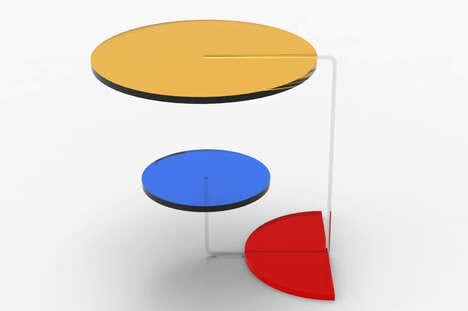
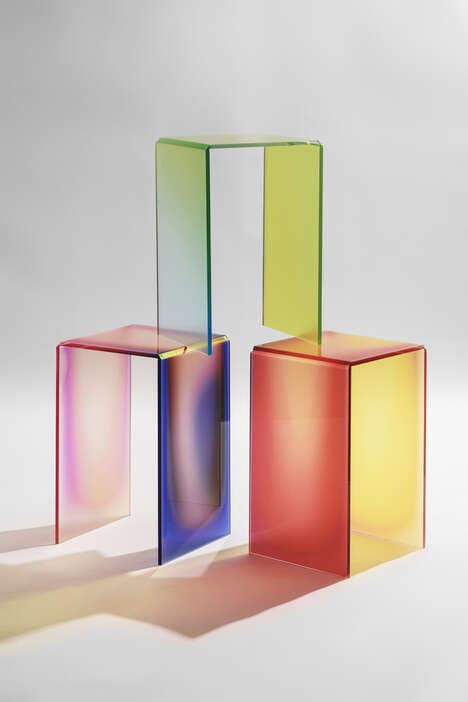
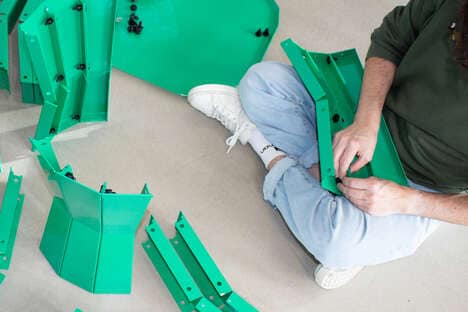
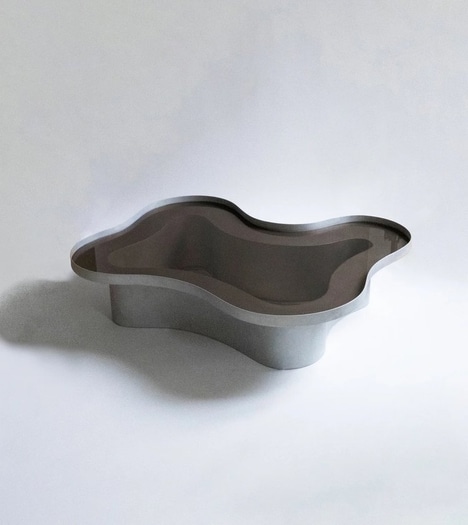
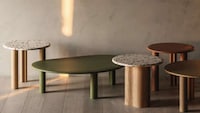
In many ways, Studio Integrate's Rio table is a standard three- or four-legged, glass-topped counter. But however basic those design features may seem, each Rio table is actually a unique work of art thanks to the Brazilian architecture firm's use of 3D printing and parametric algorithms.
The uniqueness of the Rio table comes in the connective segment between the tabletop and the legs. The polyamide or resin base is 3D-printed, and while that alone is impressive, what truly sets it apart is that each base's design is completely unique.
While it would be impossible for a group of designers to craft unique designs for each table (since the tables are industrially produced,) the Rio table's bases are crafted with an algorithm that shifts the organic design for every new table. The algorithm knows to adhere to the rules of structural integrity, but that still leaves it virtually infinite options for crafting the shape of the bases.
Why This Trend Is Growing
- Algorithmic Design
- Algorithmic design allows for each object to be unique and customized without additional human effort.
- 3D Printing
- 3D printing technology offers new design possibilities and customization options that were previously not possible with traditional manufacturing methods.
- Parametric Modeling
- Using parametric modeling, designers can create complex and customizable designs that adapt to specific parameters and constraints.
Industries Being Reshaped
- Furniture Manufacturing
- Furniture manufacturers can use algorithmic design and 3D printing to create customizable and unique designs that cater to individual customer needs and preferences.
- Architecture
- Architects can use parametric modeling to design complex and adaptive structures that integrate seamlessly with their environment and respond to different environmental conditions.
- Product Design
- Product designers can use algorithmic design and 3D printing to create innovative and personalized designs that challenge traditional manufacturing methods and offer new possibilities for customization and personalization.