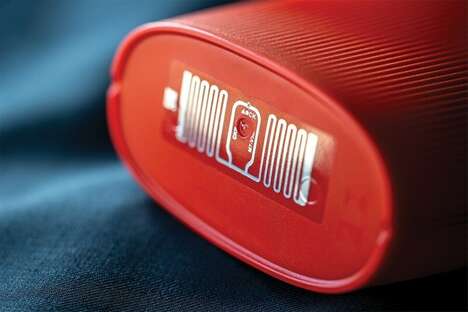
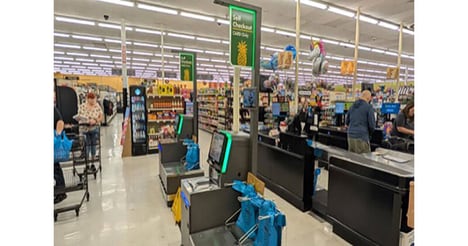
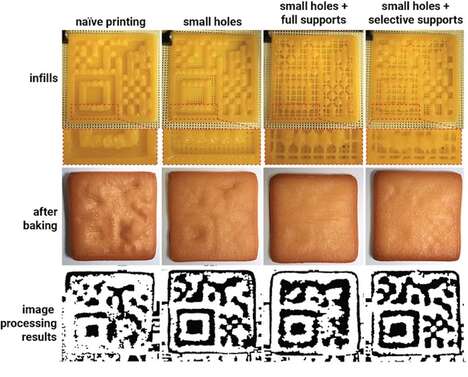
Although RFID Tags (radio frequency identification) are used in other arenas of our lives--for example, libraries, traveling, etc.--they just might significantly change the face of grocery shopping. Researchers from Sunchon National University, South Korea, and Rice University, Houston, hold the optimistic belief that if they replace the existing bar code system with RFID grocery tags, checkout lines will be reduced significantly.
Essentially, RFID grocery tags, which will be printed directly onto food items, will instantly divulge the contents of a cart when put through a detector. Eliminating the need for individual scanning, RFID grocery tags utilize carbon nanotubes for easy checkouts.
Why This Trend Is Growing
- RFID Grocery Tags
- Opportunity for grocery stores to implement RFID tags on food items to streamline checkout process and reduce wait times.
- Faster Checkouts
- Potential for businesses to adopt RFID technology to improve checkout speeds and enhance customer experience.
- Replacement of Bar Codes
- Disruptive innovation opportunity to replace traditional bar codes with RFID tags for more efficient inventory management and transaction processing.
Industries Being Reshaped
- Grocery Stores
- Retailers in the grocery industry can leverage RFID technology to enhance operational efficiency and improve customer satisfaction.
- Technology
- Opportunity for tech companies to develop and provide RFID solutions for various industries, including grocery and retail.
- Inventory Management
- Potential for companies specializing in inventory management systems to integrate RFID technology for real-time tracking and automated checkouts.