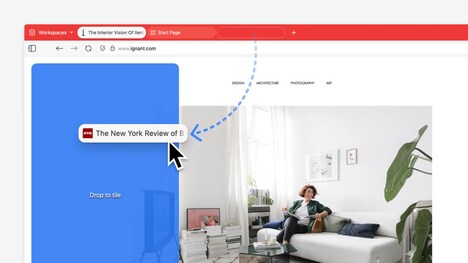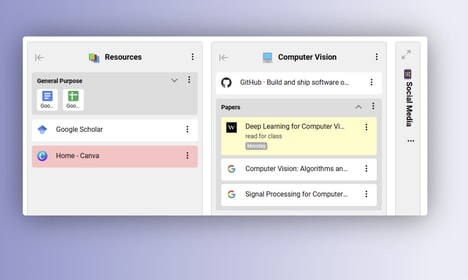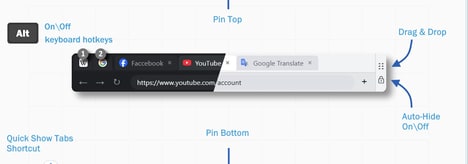
Google is updating Chrome for Googlebook laptops with simpler ways to manage open tabs and share content. The Chrome 157 update lets users expand the vertical tab bar by hovering over it, while also allowing them to drag it wider or narrower depending on how much space they need.
The update also adds a permanent stop-casting button during video presentations, so users can end screen sharing without searching through browser menus. The Googlebook version of Chrome 157 is rolling out now, while Chrome Beta on the same devices includes additional features that users can test early.
These changes make everyday browsing and presentations easier to manage, particularly for people using a mouse or trackpad. They also give Googlebook's version of Chrome more of the controls laptop users expect from a desktop browser.
Image Credit: AI-generated
Why This Trend Is Growing
- Adaptive Browser Workspaces
- Resizable tab interfaces signal demand for productivity tools that flex around user context, creating openings for more personalized and spatially efficient digital work environments.
- Persistent Presentation Controls
- Always-visible screen sharing commands reduce friction in live collaboration, revealing potential for interface layers that make communication tools safer and easier to control.
- Desktop-like Chromebook Experiences
- Chromebook software is gaining more laptop-grade controls, highlighting opportunities for lightweight devices to compete through richer workflow features rather than hardware power alone.
Industries Being Reshaped
- Web Browsers
- Browser platforms can differentiate through granular interface customization that supports multitasking-heavy users across work, education, and entertainment contexts.
- Collaboration Software
- Video meeting and screen sharing providers benefit from embedded control improvements that minimize user error during presentations and shared sessions.
- Consumer Laptops
- Device ecosystems centered on affordable laptops may unlock new value by pairing simple hardware with increasingly sophisticated desktop-style software experiences.