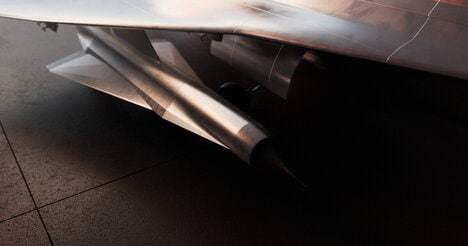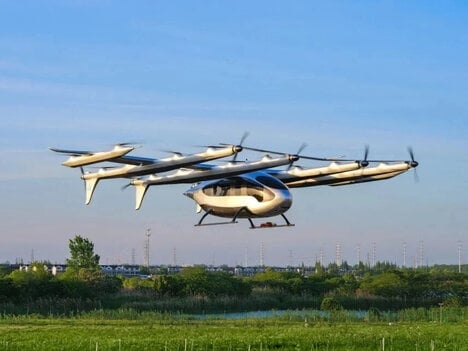

NASA is preparing the ‘X-70 Fractal,’ a crewed plane with a modular layout that lets aeronautics researchers swap test hardware inside and outside the aircraft instead of building a separate vehicle for each study. The subsonic aircraft is intended to probe maneuvers not yet shown in piloted flight while staying within the atmosphere.
Reconfigurable flight controls let teams try different steering approaches on the same airframe, and its first NASA flight is slated for 2028. It is built to fly above 45,000 feet at up to Mach 0.75, giving researchers a stratosphere-reaching test bed.
NASA shows how reconfigurable flight controls and fast-swapped equipment can turn one aircraft into a reusable test bed, cutting the need for separate research airframes across multiple programs, while a crewed platform built for unfamiliar maneuvers broadens the lessons the agency can pass into future aircraft and space-vehicle design.
Image Credit: NASA / Carla Thomas
Key Themes Behind This Trend
- Modular Flight Testbeds
- Reusable aircraft architectures with swappable internal and external systems create faster pathways for validating aerospace concepts without commissioning single-purpose prototypes.
- Reconfigurable Flight Controls
- Adaptive control systems that can be altered across missions open new possibilities for studying unconventional maneuvers, autonomy layers, and safer human-machine flight interfaces.
- Crewed Stratospheric Research
- Piloted platforms capable of high-altitude subsonic experimentation provide richer operational data for next-generation aircraft, spacecraft return systems, and atmospheric mobility concepts.
Where This Applies
- Aerospace Research
- Shared modular airframes reduce duplication across experimental programs while expanding access to real-world flight data for advanced vehicle design.
- Defense Aviation
- Rapidly reconfigurable aircraft test environments support exploration of mission-specific controls, sensor payloads, and maneuver profiles relevant to future military platforms.
- Space Vehicle Design
- Atmospheric flight testbeds help translate piloted maneuvering insights into reusable spacecraft, entry systems, and hybrid air-space vehicle development.