
LG Innotek is developing real-time robotic vision systems through its collaboration with NVIDIA, enabling sensors to communicate more directly with AI computing hardware. Using NVIDIA's Holoscan Sensor Bridge technology, information from cameras and other sensors can reach GPUs without passing through the CPU, supporting faster processing and decision-making in robots and autonomous vehicles.
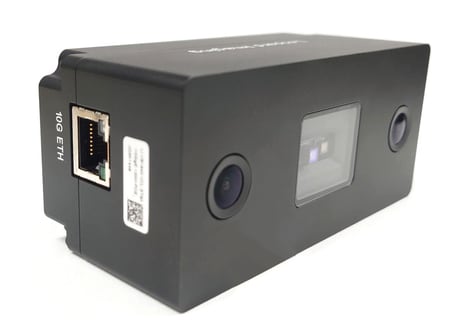
At GTC Berlin, LG Innotek demonstrated a 3-megapixel camera module and its Multi-modal Vision System. The company combines expertise in cameras, LiDAR, and radar to support different sensing requirements. Future developments will extend into humanoid robotic vision and hand sensing, with additional solutions planned for 2027.
For LG Innotek, the partnership creates opportunities to supply components to companies developing physical AI products on NVIDIA's platform. Expanding beyond existing camera applications could strengthen its position in robotics and autonomous driving markets while supporting new business opportunities.
Image Credit: LG Innotek
Why This Trend Is Growing
- Direct-to-gpu Sensing
- Bypassing CPU bottlenecks enables robotic systems to interpret camera, LiDAR, and radar data with lower latency for more responsive physical AI applications.
- Multi-modal Robotic Vision
- Combining visual, depth, and radar inputs creates richer machine perception that supports safer autonomy in robots, vehicles, and industrial machines.
- Humanoid Hand Sensing
- Advanced sensing for humanoid hands expands precision manipulation capabilities in service robotics, manufacturing automation, and human-assistive systems.
Industries Being Reshaped
- Robotics
- Real-time perception hardware gives robot developers a foundation for faster decision-making in mobile, humanoid, and collaborative robot platforms.
- Autonomous Vehicles
- Low-latency sensor processing strengthens situational awareness for driverless systems operating in complex road, warehouse, and delivery environments.
- Semiconductors
- Sensor-to-GPU architectures create new demand for specialized modules, interconnects, and edge AI components across physical AI ecosystems.