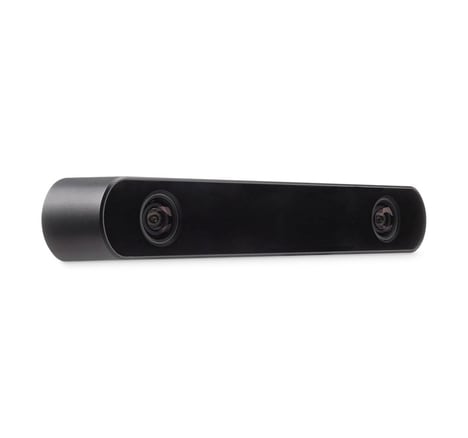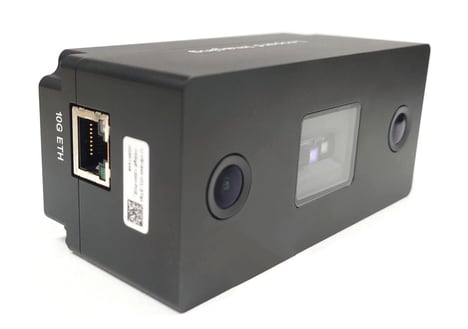

SolidRun and Leopard Imaging introduced a validated edge AI vision solution built around SolidRun’s Hailo-15 System-on-Module and HummingBoard Hailo-15 AIOT platforms. The collaboration integrates Leopard Imaging’s MIPI CSI-2 camera modules with embedded AI processing to reduce hardware integration work and accelerate development.
Camera modules based on Sony’s IMX678 and IMX334 sensors have been optimized and jointly validated for compatibility, image quality and platform integration. When paired with the Hailo-15 platform, the solution supports dual 12-megapixel image signal processors, AI-powered image enhancement and up to 20 TOPS of edge AI performance for real-time vision workloads.
For developers, the pre-validated platform can reduce engineering risk and shorten the path from prototype to production. The available evaluation hardware targets applications including smart security, robotics, industrial automation, transportation and medical imaging.
Image Credit: SolidRun
What Makes This Trend Stand Out
- Pre-validated Edge AI
- Pre-integrated vision modules reduce development uncertainty as manufacturers seek faster routes from prototype testing to production-ready intelligent devices.
- Real-time Vision Processing
- On-device AI acceleration enables low-latency image analysis for environments where cloud dependence, bandwidth limits and privacy concerns create performance barriers.
- Modular Camera Integration
- Standardized sensor and processor compatibility creates room for more flexible product architectures across robotics, security and industrial imaging systems.
Sectors Adopting This
- Smart Security
- AI-enabled edge cameras support faster threat detection and improved image quality while reducing reliance on centralized video analytics infrastructure.
- Industrial Automation
- Validated vision platforms can improve machine inspection, robotic guidance and operational monitoring through compact systems with embedded intelligence.
- Medical Imaging
- Edge-based visual processing offers potential for more responsive diagnostic devices, portable imaging tools and privacy-conscious clinical workflows.