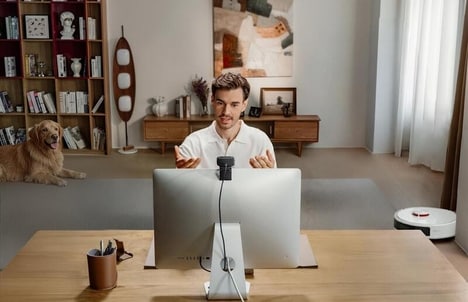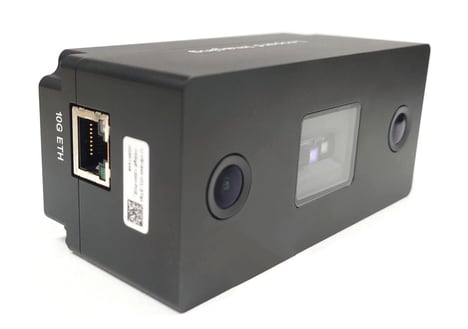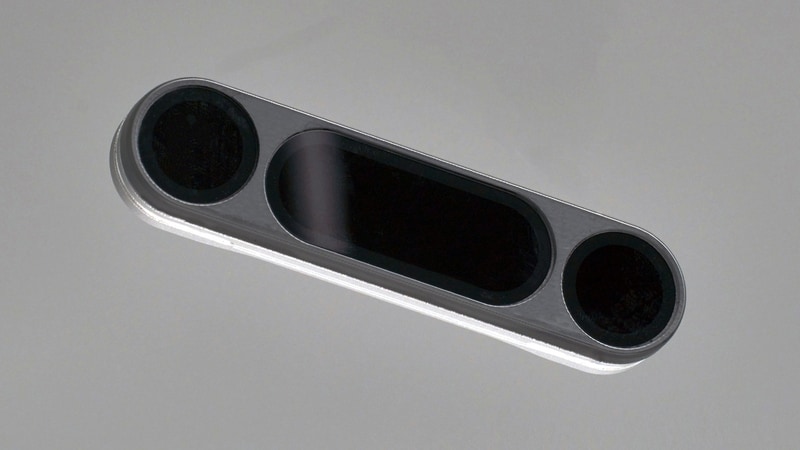
Ultraleap’s Leap Motion Controller 2 is a compact computer vision camera engineered to enable precise, touchless three-dimensional hand interaction. The innovation seeks to transform how users engage with digital environments.
Ultraleap’s Leap Motion Controller 2 essentially functions as a sophisticated motion-sensing peripheral that tracks the natural movements of hands and fingers within a wide field of view. This capability allows users to control their computers, retrofit touchscreens, or enhance holographic displays without any physical contact. Its technical specifications reveal a robust piece of hardware, constructed with aluminum and scratch-resistant glass.
The compact computer vision cameras require only a standard USB connection for power and data, which ensures straightforward integration into various setups. With a tracking range extending from 10 centimetres to over a meter and an exceptionally broad 160-degree by 160-degree field of view, the camera can capture gestures across a significant spatial area. The device’s maximum frame rate of 115 frames per second, on the other hand, contributes to a fluid and responsive user experience.
Image Credit: Ultraleap
What Makes This Trend Stand Out
- Touchless Interfaces
- Precise hand-tracking systems are expanding contact-free control into workstations, kiosks, and immersive displays where hygiene, accessibility, and speed can redefine user expectations.
- Compact Spatial Cameras
- Miniaturized computer vision hardware creates room for embedded gesture sensing across consumer electronics, enterprise tools, and interactive environments without bulky infrastructure.
- Retrofit Gesture Control
- Existing screens and digital systems gain new value when affordable peripherals add three-dimensional input, reducing replacement costs while modernizing interaction models.
Sectors Adopting This
- Human-computer Interaction
- Natural hand and finger tracking introduces new interface standards that can shift software design away from keyboards, mice, and flat touchscreens.
- Extended Reality
- Holographic and mixed reality experiences benefit from responsive spatial input that makes virtual objects feel more intuitive, precise, and commercially viable.
- Healthcare Technology
- Contactless computer control supports sterile clinical workflows, offering hospitals and labs more hygienic ways to navigate records, imaging, and equipment interfaces.