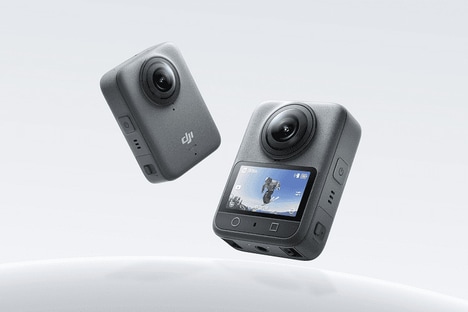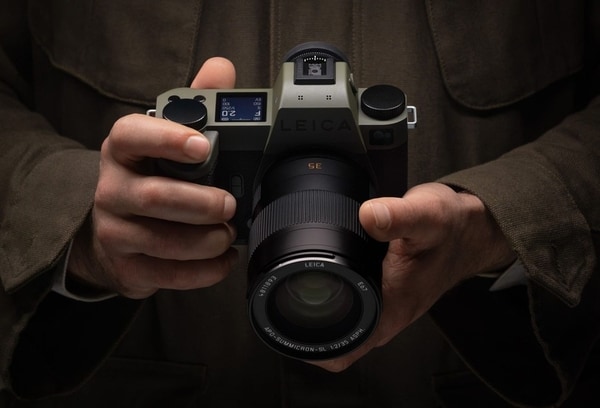

The Insta360 Luna Ultra dual lens gimbal camera has been debuted as the brand's latest flagship photography accessory that's engineered to optimize user capabilities no matter the photographical task at hand.
The camera is co-engineered with Leica and features a Leica Summicron Lens with a one-inch 8K sensor to offer an F1.8 aperture with 14 stops of dynamic range. The unit is paired with a pro-grade telephoto lens that covers five focal lengths with up to 12-times zoom and telephoto macro functionality. The whole system is powered by a triple artificial intelligence (AI) chip setup that uses two chips to handle sensor processing.
The Insta360 Luna Ultra dual lens gimbal camera is rounded out with a detachable two-inch OLED touchscreen along with Deep Track 5.0 AI tracking technology.
Image Credit: Insta360
Key Themes Behind This Trend
- AI-powered Imaging
- Triple-chip camera architectures create room for smarter real-time sensor processing, automated subject tracking, and computational image quality that narrows the gap between compact devices and professional production rigs.
- Hybrid Zoom Systems
- Dual-lens designs combining wide sensors with telephoto macro capabilities signal a shift toward all-in-one creator tools that replace multiple lenses, accessories, and shooting workflows.
- Modular Creator Displays
- Detachable OLED touchscreens introduce more flexible framing and remote-control experiences, supporting new accessory ecosystems around portable content creation and mobile cinematography.
Where This Applies
- Consumer Electronics
- Flagship compact cameras with premium optics, AI chips, and gimbal stabilization reflect a growing market for specialized devices that compete with smartphones on creative performance.
- Digital Media Production
- Portable 8K capture systems with automated tracking and extended dynamic range expand professional-grade filming capabilities for independent creators, small studios, and branded content teams.
- Optical Technology
- Collaborations between camera brands and legacy lens makers highlight opportunities for premium glass, sensor optimization, and computational optics to redefine compact imaging performance.