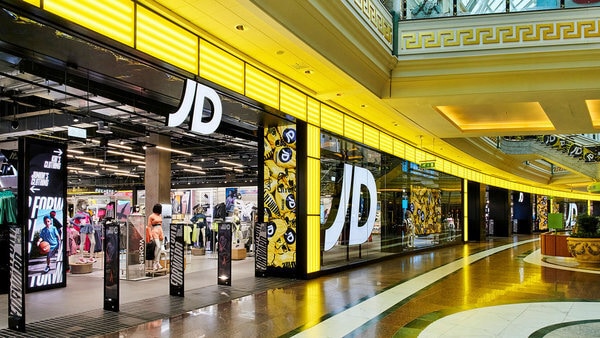
Real-time retail inventory systems are improving store operations as JD Sports adopts Zebra Technologies' mobile computing and RFID solutions to strengthen stock visibility. The technology allows employees to identify merchandise across sales floors and storerooms, helping the retailer achieve 98% on-shelf availability and 20% faster replenishment.
The system combines Zebra's TC2 Series mobile computers with RFD40 RFID readers that detect tagged products without individual scanning. Integrated ItemOptix software provides inventory information, allowing employees to complete stock counts more efficiently. Following an initial deployment completed in 76 days, the solution expanded to 414 stores across the UK and Ireland in approximately three months.
For JD Sports, improved inventory accuracy supports faster order fulfillment and greater employee productivity, with 95% more stock moving from storage to sales areas. The technology also enables earlier loss detection, potentially reducing operational disruptions and improving customer satisfaction.
Image Credit: Zebra/JD Sports
Key Themes Behind This Trend
- Real-time Inventory Visibility
- Continuous item-level tracking creates new value in retail by turning stock data into a live operational layer for replenishment, fulfillment, and customer availability.
- Rfid-enabled Store Operations
- RFID systems are reshaping in-store workflows by reducing manual scanning friction and making large-scale stock counts faster, more accurate, and less labor intensive.
- Mobile Associate Productivity
- Connected handheld devices give frontline teams immediate access to inventory intelligence, supporting faster decisions across sales floors, storerooms, and omnichannel order processes.
Where This Applies
- Sporting Goods Retail
- High-volume apparel and footwear retailers gain competitive differentiation from precise stock availability, especially where size, color, and style complexity affects conversion.
- Retail Technology
- Inventory platforms that combine mobile computing, RFID hardware, and analytics software are becoming central infrastructure for more responsive and automated store networks.
- Supply Chain Management
- Improved store-level inventory accuracy strengthens downstream fulfillment performance by linking warehouse flows, backroom stock, and customer-facing availability more reliably.