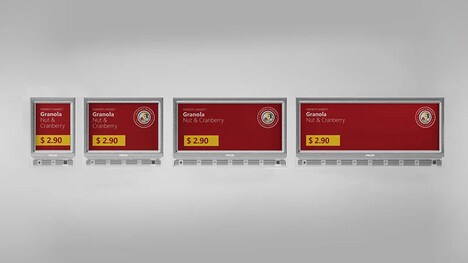
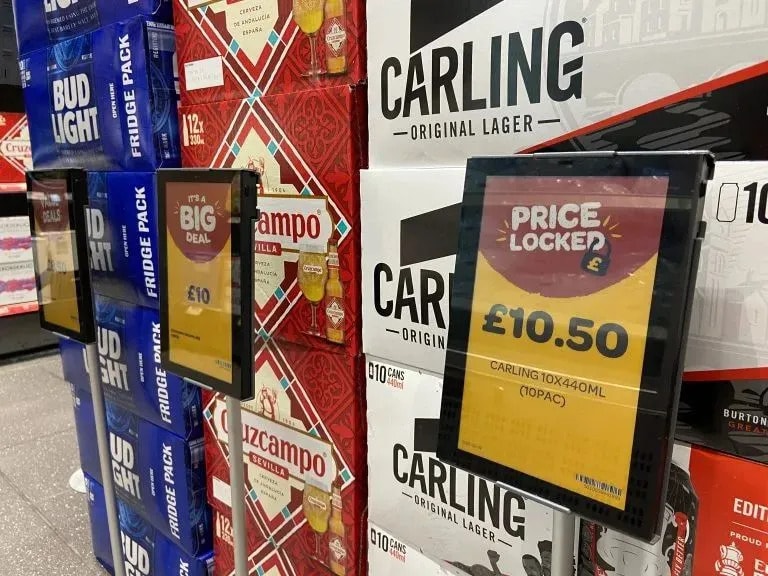
James Hall & Co. introduced Electronic Shelf Edge Labels (ESELs) across Spar North of England stores, featuring SOLUM’s wireless communication technology and devices. The rollout reached a milestone 50-store deployment completed in just over 18 months, driven by demand from independent convenience retailers. Installations covered a mix of single-site shops and multi-site forecourt and non-forecourt operators, with about two-thirds of fitted locations operated by independents.
The displays deliver real-time price updates and digital shelf information, reducing manual price changes and improving accuracy while supporting promotional agility. Hardware and wireless systems were deployed store-by-store to align with retailer schedules and operational needs. For shoppers, ESELs mean clearer, up-to-date pricing and faster promotional messaging, while retailers gain operational efficiency and compliance benefits that reflect a broader shift to digital retail management.
Image Credit: James Hall & Co.
What's Driving This Trend
- Electronic Shelf Edge Proliferation
- Rapid rollouts across mixed-format convenience networks are enabling centralized, real-time pricing and promotional control that can displace manual pricing workflows and shrink labor costs.
- Wireless In-store Connectivity
- Store-by-store wireless deployments are creating mesh communication backbones that support dynamic merchandising, sensor integration, and near-instant digital updates across legacy store estates.
- Independent-retailer Digitalization
- High uptake among independent operators highlights a market for affordable SaaS-and-hardware offerings that bridge the gap between enterprise retail platforms and small-format retailers.
Who This Affects Most
- Retail Technology
- Electronic shelf labels are transforming point-of-sale adjacent systems, enabling seamless integration with inventory and pricing engines that could redefine retail back-end architectures.
- Supply Chain and Logistics
- Real-time shelf-level pricing and product data creates demand signals that can recalibrate replenishment algorithms and distribution cadence to more tightly match store-level demand.
- Forecourt and Convenience
- Forecourt operators' mixed deployment needs point to modular retail solutions that combine ruggedized hardware with flexible connectivity tailored for high-throughput, dispersed locations.