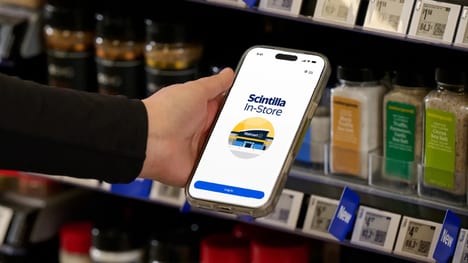
Walmart expanded its digital shelf label system, rolling the feature out to all U.S. stores after piloting it at select locations, featuring electronic price tags that update centrally and run on a closed network. The tags let associates change prices remotely, remove paper labels and trigger LED indicators to help staff locate items for restocking and online order fulfillment.
The rollout followed earlier installs at roughly 2,300 locations and builds on tech showcased in Walmart’s Store of the Future, pairing the labels with mobile apps and inventory tools. By standardizing in-store pricing, eliminating manual price swaps and speeding pick-to-light workflows, the system reduces labeling errors and frees associates for customer-facing tasks.
For shoppers, the change promises more accurate shelf pricing and faster online order completion while maintaining a privacy-safe, non-customer-facing system.
Image Credit: Walmart
What's Driving This Trend
- Automated Price Management
- Centralized electronic pricing creates opportunities for dynamic, real-time price optimization tied to inventory levels and demand signals.
- Pick-to-light Integration
- LED-enabled shelf tags linked to fulfillment apps enable faster, more accurate in-store picking workflows that can blur the line between physical and micro-fulfillment centers.
- Privacy-safe Retail Networks
- Closed, non-customer-facing networks for store operations offer a model for secure, compliant IoT deployments that separate customer data from operational telemetry.
Who This Affects Most
- Retail Grocery Chains
- Widespread digital shelf label adoption can transform staffing models and store layouts by shifting labor from manual tasks to customer service and rapid fulfillment.
- Retail Technology Providers
- Vendors of ESL systems and integration platforms stand to develop scalable SaaS offerings that combine pricing algorithms, inventory feeds, and pick-to-light coordination.
- Supply Chain Logistics
- Real-time shelf-level visibility supports tighter last-mile orchestration and demand-driven replenishment strategies tied directly to in-store inventory signals.