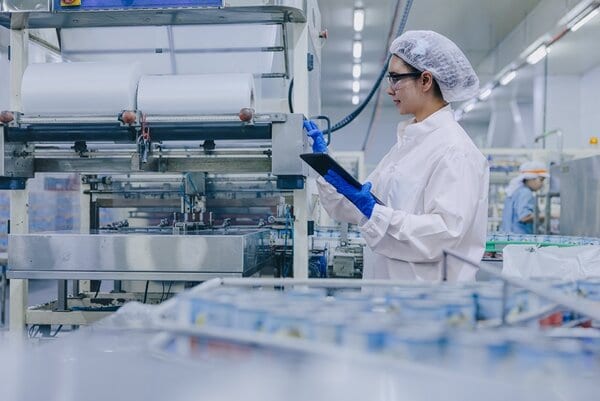
Smart labeling systems are making industrial packaging more reliable by replacing mechanically intensive labeling equipment with digitally controlled automation. Videojet's 9310 label applicator uses intelligent motion technology to automatically manage label tension, alignment, and movement as production conditions change. The system also incorporates automatic gap detection, simplified loading, and remote monitoring capabilities, helping manufacturers reduce downtime, minimize waste, and maintain consistent label placement across a wide range of packaging formats.
This approach reflects the growing demand for packaging equipment that requires less manual intervention while delivering greater operational consistency. For manufacturers, digitally managed labeling systems can improve production efficiency, lower maintenance requirements, and reduce operator training time. As production lines become increasingly connected and data-driven, smart labeling solutions that adapt in real time can help companies improve throughput, strengthen traceability, and support more flexible manufacturing operations across multiple industries.
Image Credit: Videojet
What's Driving This Trend
- Adaptive Label Automation
- Digitally controlled applicators create opportunities for packaging lines that self-adjust to changing materials, speeds, and formats with minimal manual calibration.
- Remote Packaging Monitoring
- Connected labeling equipment enables manufacturers to identify performance issues earlier, reduce unplanned downtime, and manage distributed production assets more consistently.
- Low-waste Production Lines
- Intelligent tension control and automated alignment support more precise label placement, opening pathways for reduced material loss and higher packaging consistency.
Who This Affects Most
- Industrial Packaging
- Smart labeling systems are reshaping packaging operations through automation that improves throughput, accuracy, and flexibility across varied product formats.
- Manufacturing Automation
- Real-time motion control and sensor-driven adjustments expand the role of automated equipment in lowering maintenance needs and simplifying operator workflows.
- Supply Chain Technology
- Data-enabled labeling infrastructure strengthens traceability and production visibility, creating new value for companies managing complex logistics and compliance requirements.