United Parcel Service rolled out a company-wide RFID tracking network, building on a previously announced $100 million investment and designed to track small packages with radio-frequency identification tags.
The rollout introduced fixed readers and tag-compatible sorting points across UPS facilities, featuring integration with existing scanning systems to improve scan density and real-time visibility. Rollout details noted phased deployment across hubs and partnerships with tag suppliers to scale tag sourcing, along with software updates for carrier and customer tracking interfaces.
For shippers and recipients, the RFID network promises more consistent location data and fewer missed scans, improving delivery predictability and returns handling. The upgrade reflects broader supply-chain moves toward pervasive item-level visibility that reduces manual scans and supports faster exception management.
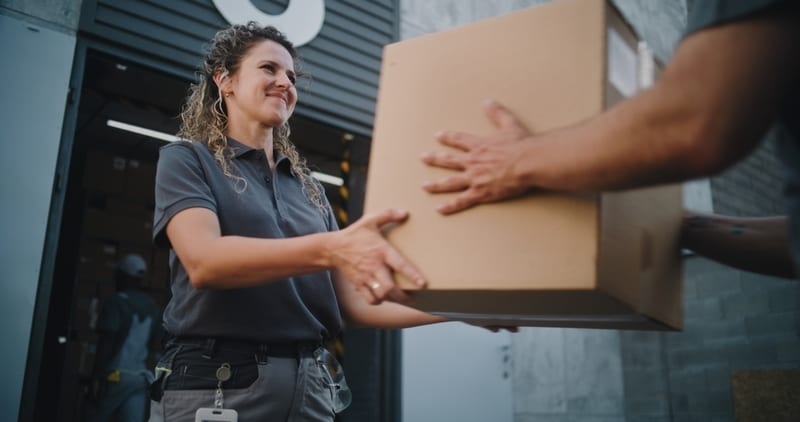
Image Credit: Frame Stock Footage / Shutterstock
Key Themes Behind This Trend
- Pervasive Item-level Visibility
- Greater per-item location granularity across the network that enables predictive inventory modeling and more accurate carrier performance metrics.
- Rfid-integrated Sorting Infrastructure
- A shift from barcode-dependent chutes to tag-compatible sorting points that reduces manual handling and increases throughput at distribution hubs.
- Real-time Scan Density Optimization
- Improved scan frequency and density producing richer telemetry that supports faster exception detection and dynamic route adjustment models.
Where This Applies
- Parcel Delivery and Logistics
- Expanded telemetry and automated reads that reshape service-level offerings and enable performance-differentiated pricing structures.
- Retail E-commerce Fulfillment
- Higher-confidence item tracking inside fulfillment networks that reduces stock misplacement and supports finer-grained omnichannel promises.
- Returns Management and Reverse Logistics
- Consistent inbound visibility that streamlines disposition decisions and shortens time-to-refund or resale windows.