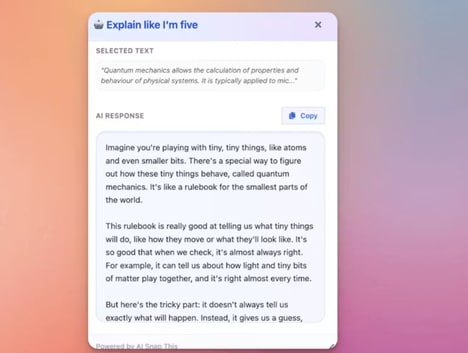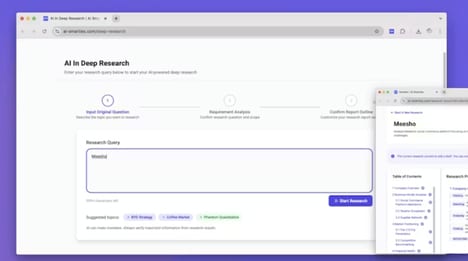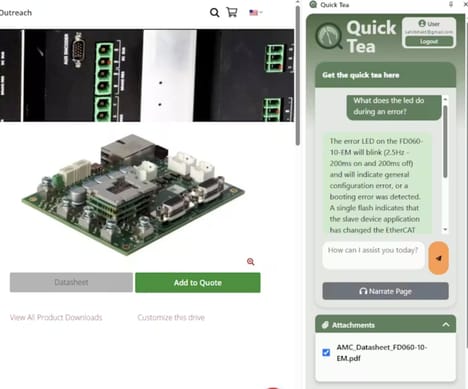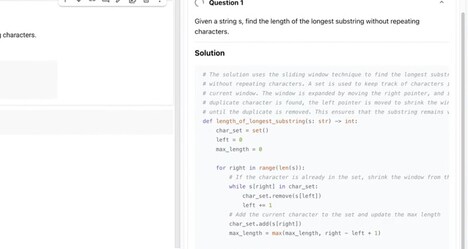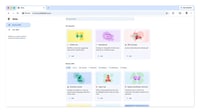
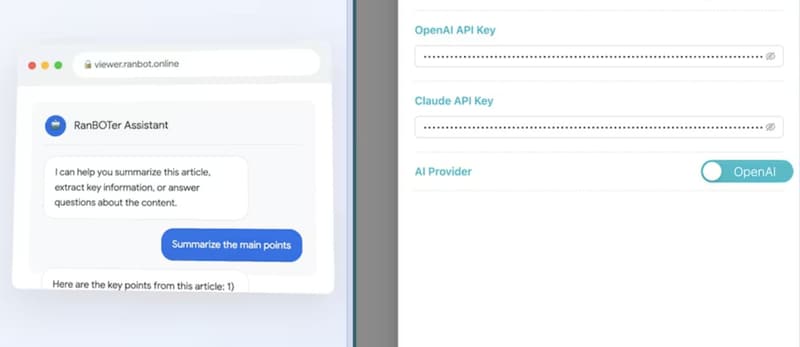
Browsing the web often means jumping between articles, reports, and data-heavy pages while trying to capture the information that matters most. RanBOTer transforms everyday research into a more organised experience by bringing AI-powered tools directly into the browser.
The Chrome extension helps users summarise content, extract important details, and structure information with a single click. Whether researching competitors, reviewing long articles, or collecting insights for projects, RanBOTer helps turn scattered online information into clearer, more manageable outputs. Instead of manually copying notes or sorting through large amounts of content, users can quickly capture the key points they need. The tool supports professionals, researchers, and curious browsers who want a more efficient way to work online. RanBOTer acts as an intelligent browsing companion, helping users navigate, understand, and organise digital information with greater speed and clarity.
Image Credit: RanBOTer
What Makes This Trend Stand Out
- AI-powered Web Research
- Browser-native intelligence is reshaping online research by converting fragmented articles, reports, and data sources into structured summaries and usable insights.
- Automated Knowledge Capture
- Single-click extraction tools create opportunities for professionals to reduce manual note-taking while preserving key information across complex digital workflows.
- Intelligent Browser Companions
- Context-aware extensions are expanding the browser from a passive access point into an active productivity layer for analysis, organization, and decision support.
Sectors Adopting This
- Enterprise Productivity Software
- AI-assisted browsing introduces new value in workplace platforms by embedding research, summarization, and information management directly into daily digital tasks.
- Market Research
- Faster synthesis of competitor content, reports, and online sources supports more responsive intelligence gathering for analysts and strategy teams.
- Education Technology
- Smart summarization and content-structuring tools can improve how students, educators, and researchers process large volumes of web-based learning material.