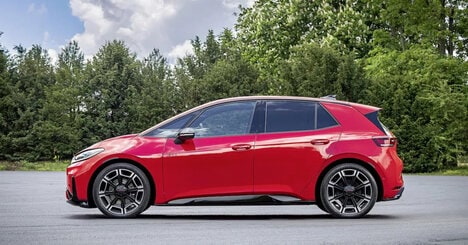
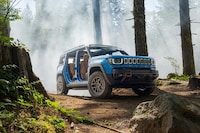
Peugeot's 'E-T16 Concept' transforms a rally tribute into an all-electric hatchback with three motors and 805 horsepower, giving the brand a production-ready performance showpiece. Built on the 'STLA One' platform, it is described as technically feasible to build much as shown, instead of a one-off styling exercise.
Two motors sit at the rear axle and one up front, and the concept is rated for a 0-62 mph sprint in 2.5 seconds. Those numbers put the car in hyperhatch territory, while the rally-inspired shape gives it a clear visual link to Peugeot's competition past.
At 805 horsepower, the E-T16 would sit above the rest of Peugeot's lineup and give the brand a halo model with real pace behind it. If it reaches production, the concept could reset expectations for electric hot hatches by pairing familiar rally cues with extreme acceleration.
Image Credit: Peugeot
Key Themes Behind This Trend
- Electric Hyperhatches
- Compact performance EVs with extreme acceleration signal new white space for brands blending daily usability with supercar-level dynamics.
- Rally-revival Design
- Heritage motorsport cues are becoming a differentiator as automakers translate nostalgic visual identities into modern electric performance products.
- Multi-motor Performance Platforms
- Three-motor architectures create fresh potential for torque vectoring, halo models, and scalable high-output variants across mainstream EV lineups.
Where This Applies
- Electric Vehicles
- High-powered hatchback concepts illustrate how EV makers can expand beyond efficiency-led positioning into emotionally driven performance segments.
- Automotive Design
- Production-feasible concepts rooted in racing history show how design teams can turn brand archives into commercially relevant future vehicles.
- Motorsports Technology
- Roadgoing applications of rally-inspired engineering highlight opportunities for competition-derived systems to influence next-generation electric mobility.