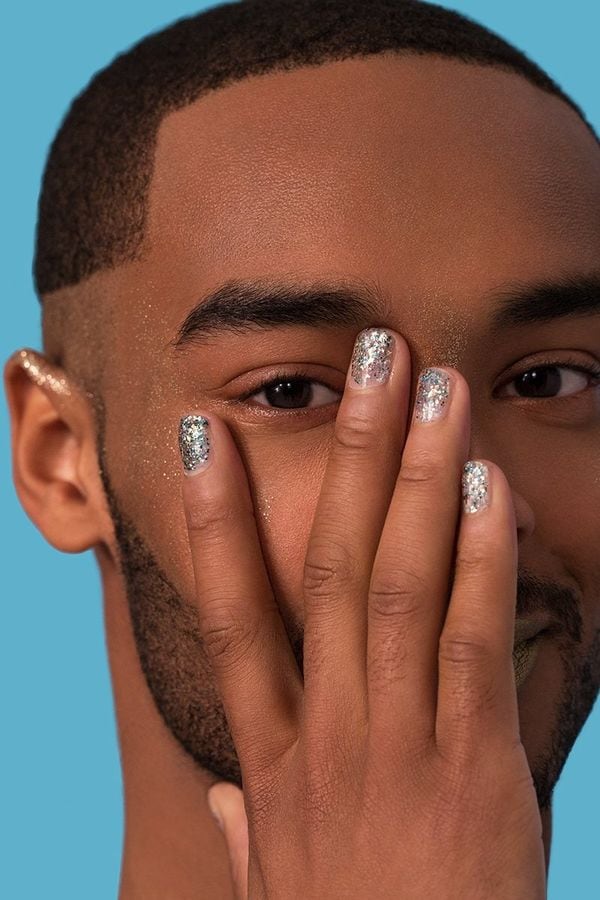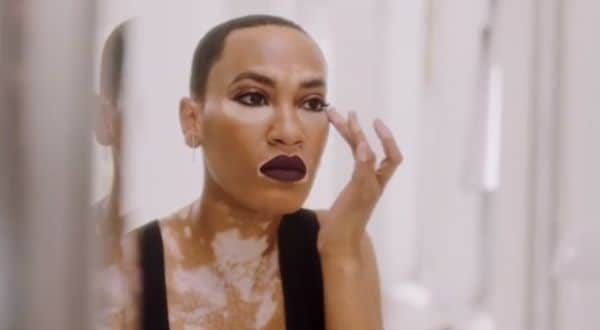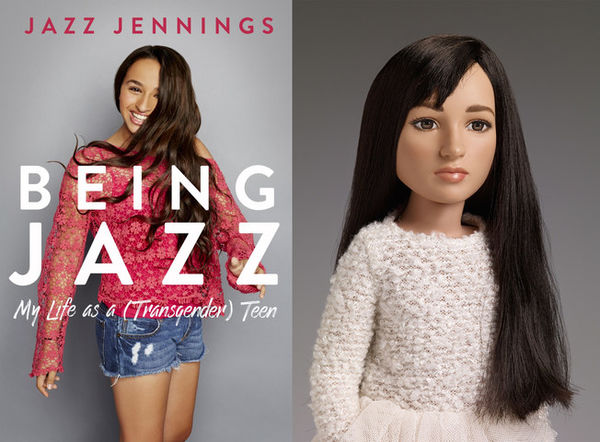

Grindr and Queer the Internet hosted a queer edit-a-thon at this year's SXSW festival, in which Austin residents were tasked with ensuring Wikipedia's pages regarding the LGBTQ+ community were up to date, and accurate.
The five-hour event was attended by other 50 individuals who collectively made more than 500 edits on Wikipedia's queer-related pages. Grindr's editor in chief Zach Stafford commented on the importance of the event, stating that “People should have a say in their own stories, who’s telling their stories and stories about their community.” The event's significance reaches beyond the city's limits, as Tobin Low claims “The impact on a young queer person going to Wikipedia and seeing proper pronouns used or finding substantive information about important figures in queer history is immeasurable.”
Image Credit: Grindr, Wikipedia
What Makes This Trend Stand Out
- Queer Edit-a-thons
- Hosting queer edit-a-thons allows for the updating and accuracy of LGBTQ+ content, empowering the community to have a say in their own stories.
- Community-driven Content Creation
- Engaging communities in content creation ensures accurate representation and inclusivity, such as with queer edit-a-thons.
- Importance of LGBTQ+ Representation
- Recognizing the impact of seeing proper pronouns and substantive information about queer history on platforms like Wikipedia is crucial for the LGBTQ+ community.
Sectors Adopting This
- Social Media Platforms
- Social media platforms can organize and host queer edit-a-thons to promote inclusivity and community-driven content creation.
- Online Knowledge Sharing Platforms
- Knowledge sharing platforms like Wikipedia can collaborate with organizations to conduct queer edit-a-thons and ensure accurate LGBTQ+ representation.
- Diversity and Inclusion Advocacy
- Diversity and inclusion advocacy organizations can support and amplify events like queer edit-a-thons to promote LGBTQ+ representation in online spaces.