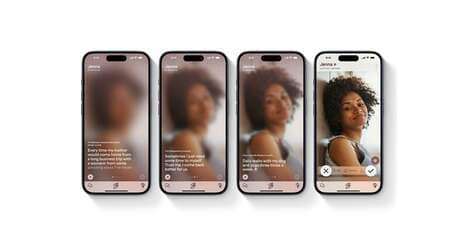


'String' is a new dating app inspired by the Arthur Aron's psychological study '36 Questions That Lead to Love.' Now a woman named Helen Huang has taken the study and used it as the premise for a new matchmaking app.
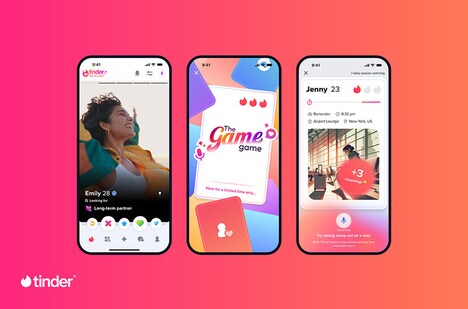
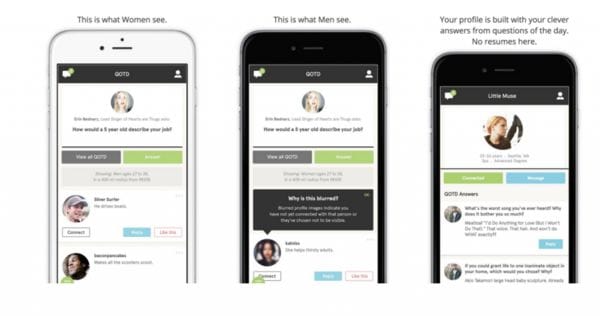
String differs from other dating apps in that it does away with the Swipe-style interface made popular by Tinder. Instead, String uses a series of questions inspired by Aron's psychological study to help users make more meaningful connections. To use the app, users must begin by answering two out of six curated questions that are meant to highlight their communication style. When browsing through the responses of potential matches, users will only be able to see a thumbnail photo of the other person. Only when a match has been confirmed will both users be able to see each other's photos.
By asking individuals to answer personal questions and hiding each users photos, the app promotes mutual vulnerability and fosters greater closeness between users.
Why This Trend Is Growing
- Psychological Matchmaking
- The use of psychological studies to create more meaningful connections on dating apps presents an opportunity for apps to differentiate and disrupt the dating market.
- Question-based Interface
- The shift from swiping to a question-based interface on dating apps can increase user engagement and create opportunities for more meaningful interactions.
- Mutual Vulnerability Promotion
- Emphasizing mutual vulnerability on dating apps can create an opportunity for users to build deeper connections and create a more meaningful experience on the platform.
Industries Being Reshaped
- Online Dating
- Online dating apps can capitalize on psychological studies and innovative interface designs to create a more successful platform for users.
- Psychological Research
- Psychological research can expand beyond academic circles into consumer products by providing useful insight into potential consumers' motivations.
- Social Media
- Expanding the use of psychological studies and question-based interfaces can create new opportunities for social media engagement beyond traditional dating apps.