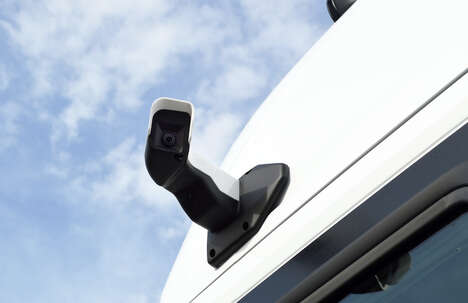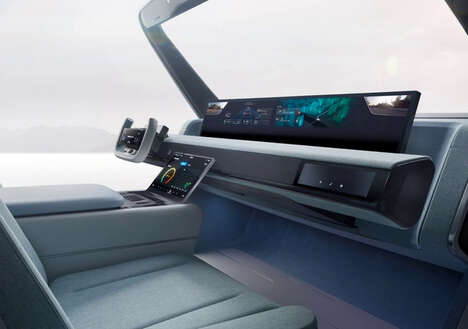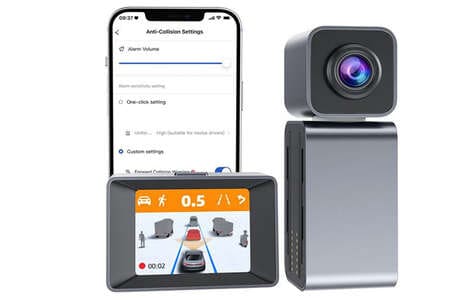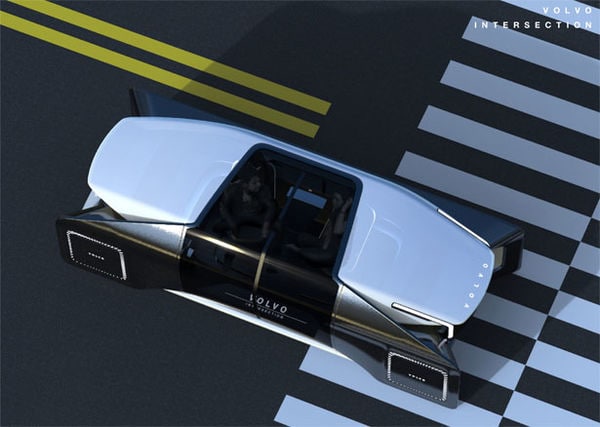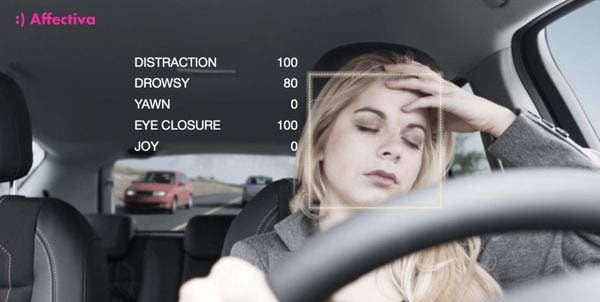
Preventing drunk driving has always been a number one priority for governments, police and car manufacturers. Thanks to emerging technology, absolute road safety is becoming a much more attainable ideal than ever before. Automaker Volvo recently announced that its future vehicles will pack an AI-based feature that will attentively track eye movement to determined if the driver is distracted or intoxicated.
If the system detects warning signs — this can include a failure to consistently keep eyes on the road or hands on the wheel, the technology will alert Volvo's on-call assistance centers which will then issue a call to check on the driver. If the person fails to answer, the vehicle has a "semi-autonomous feature" that can slow down the car and bring it to a stop in a safe spot. This feature will surely go a long way to preventing drunk driving and accidents on the road.
Why This Trend Is Growing
- AI-based Eye Movement-tracking
- Incorporating AI to track eye movement can revolutionize car safety measures and prevent drunk driving.
- On-call Assistance Centers
- Utilizing on-call assistance centers can enhance driver safety by automatically alerting authorities in the event of distraction or intoxication.
- Semi-autonomous Stopping Feature
- Implementing a semi-autonomous feature to slow down and stop the car in a safe spot can significantly reduce the risk of accidents caused by drunk drivers.
Industries Being Reshaped
- Automotive
- The automotive industry can leverage AI-based eye movement-tracking technology to enhance safety features in vehicles and prevent accidents caused by distracted or intoxicated drivers.
- Artificial Intelligence
- The AI industry can explore opportunities to develop advanced algorithms and technologies that accurately track eye movement for use in various applications, including drunk driving prevention in cars.
- Emergency Services
- The emergency services industry can benefit from collaborating with car manufacturers to establish effective protocols for on-call assistance centers to respond promptly to alerts indicating distracted or intoxicated drivers.