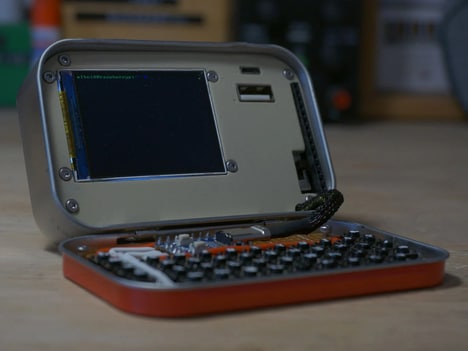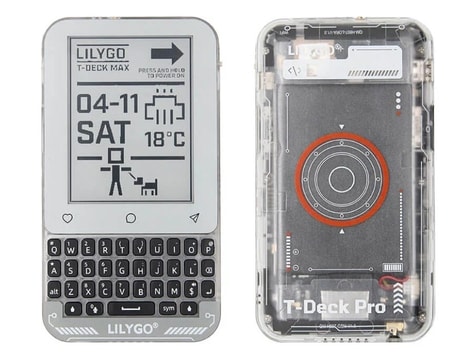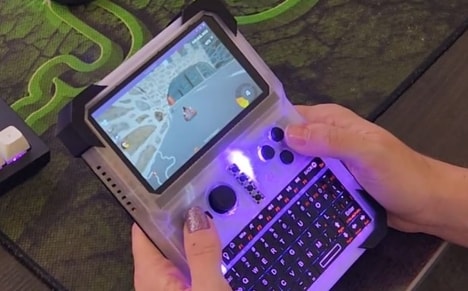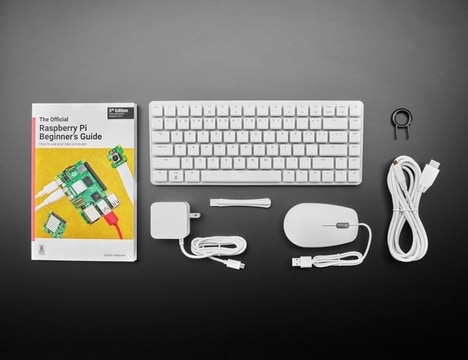
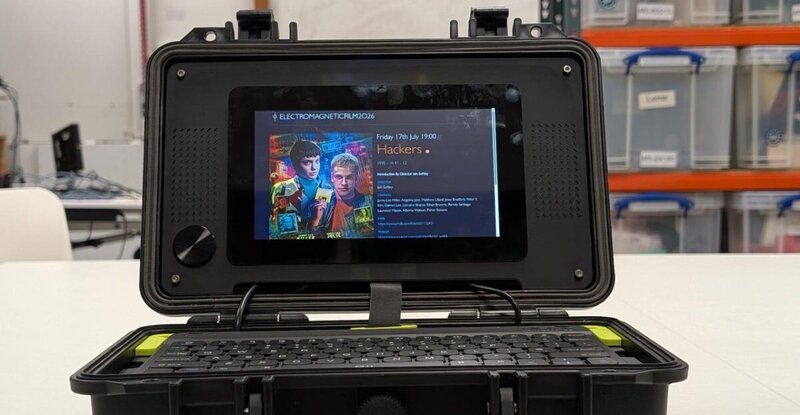
Portable Raspberry Pi cyberdecks are turning compact computing hardware into customizable, self-contained workstations. This DIY build integrates Raspberry Pi hardware, a display, keyboard, battery, and supporting electronics inside a rugged protective case. The enclosed format keeps components organized while allowing the computer to be transported and operated as a single system. Its modular construction also gives makers flexibility to select, replace, or modify individual components according to their computing needs, extending the versatility of Raspberry Pi beyond conventional desktop configurations.
The rugged enclosure makes the cyberdeck suitable for situations where a traditional laptop or exposed single-board computer may be less practical. Battery-powered operation further supports mobile use, while the integrated keyboard and screen create a complete computing environment within one case. The project demonstrates how modular hardware can be adapted into personalized systems for experimentation, field use, technical projects, and portable computing.
Image Credit: Raspberry Pi
Key Themes Behind This Trend
- Rugged Modular Computing
- Compact electronics housed in durable cases signal growing demand for adaptable workstations suited to field environments, emergency response, and maker-led customization.
- Portable Open-source Workstations
- Battery-powered Raspberry Pi systems highlight a shift toward low-cost, user-configurable computing platforms that can reduce dependence on conventional laptops.
- DIY Edge Computing Kits
- Self-contained cyberdeck builds point to new possibilities for localized data processing, technical education, and specialized computing tools assembled from modular components.
Where This Applies
- Consumer Electronics
- Modular portable computers create space for niche device formats that prioritize repairability, personalization, and rugged mobility over standardized laptop design.
- Education Technology
- Hands-on cyberdeck projects offer accessible pathways for teaching hardware integration, coding, electronics, and systems thinking through customizable computing builds.
- Defense and Field Operations
- Rugged self-contained computing units suggest opportunities for mission-specific mobile workstations used in remote, harsh, or infrastructure-limited settings.