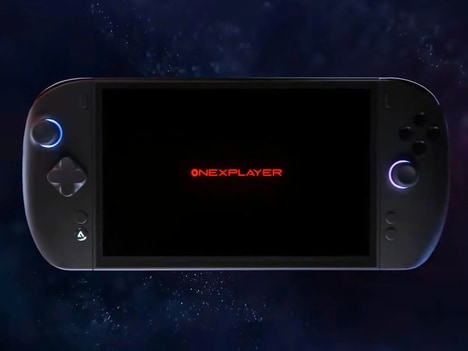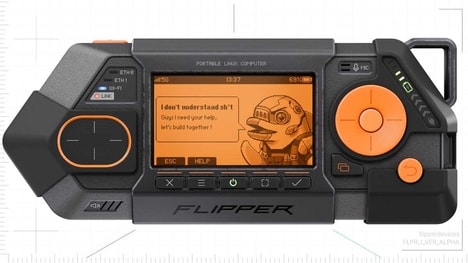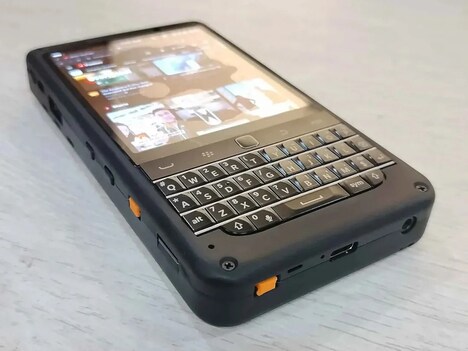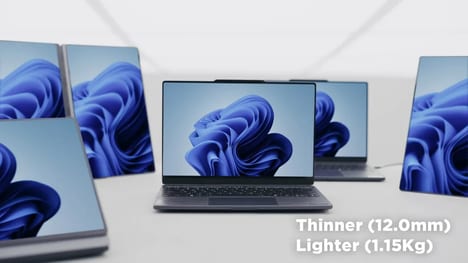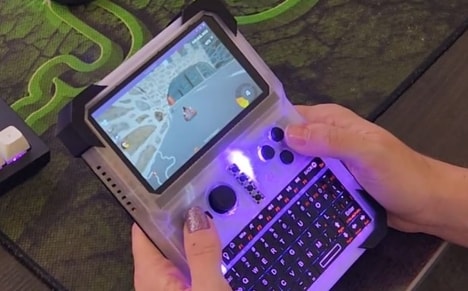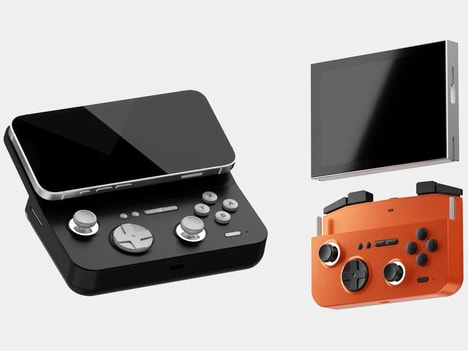
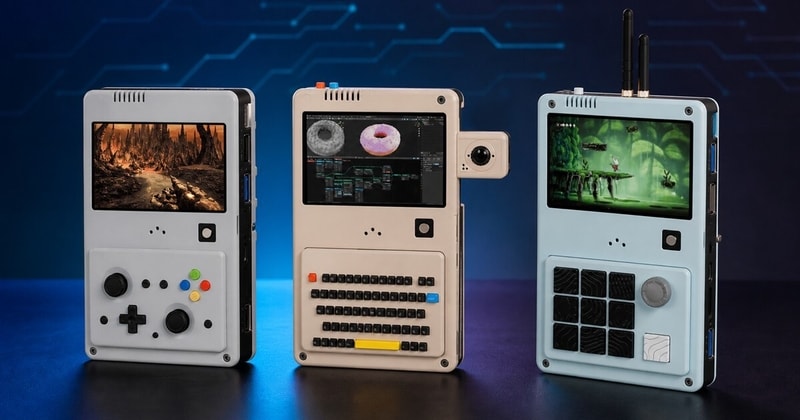
The Mogozen CG Deck modular handheld PC is an adaptable piece of hardware that takes a surprisingly playful approach to computing by transforming a conventional system into compact handset. The system is built around a cyberdeck-style handset that has a touchscreen in the top portion and a control section below that can be swapped out for a variety of different modules. This includes a keyboard, gamepad-style controller and more according to the preferences of the user.
The Mogozen CG Deck modular handheld PC has a Linux-friendly design that's expected to be powered by the Intel N150 processor and also boasts removable antennas for a decidedly more analog feel. The handset prioritizes adaptability as a nod to the increasing demand for customizable tech products in the burgeoning maker and digital DIYer communities.
What Makes This Trend Stand Out
- Modular Handheld Computing
- Swappable keyboards, controllers, and interface modules signal a shift toward personal devices that can be reconfigured around work, gaming, coding, and maker use cases.
- Cyberdeck-inspired Devices
- Retro-futuristic handset formats create room for niche computing products that blend tactile controls, portable screens, and enthusiast-friendly customization.
- Linux-friendly Hardware
- Open software compatibility expands the potential for independent developers, hobbyists, and privacy-focused users to shape portable PCs outside closed device ecosystems.
Sectors Adopting This
- Consumer Electronics
- Configurable handheld PCs introduce new product categories that challenge fixed-form laptops, tablets, and gaming devices with more adaptable hardware experiences.
- Gaming Hardware
- Interchangeable control layouts give portable gaming systems a pathway to serve multiple genres, accessibility needs, and hybrid entertainment-productivity behaviors.
- Maker Technology
- DIY-oriented components and removable antennas support a growing market for hackable devices that merge experimentation, repairability, and personal computing.