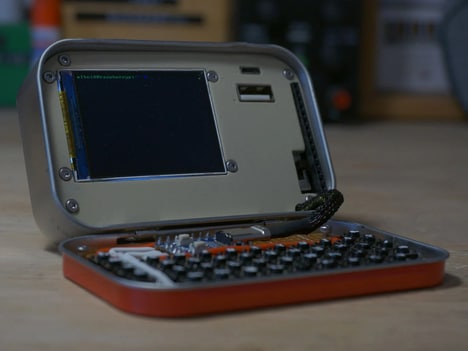

The Flipper One has been unveiled by Flipper Devices as a solution for researchers, makers and hackers alike that will enable them to keep a Linux-powered solution in their pocket. The modular cyberdeck will reportedly feature two Gigabit Ethernet ports alongside WiFi 6E connectivity alongside the optional 5G connectivity through an M.2 modem. The device is positioned to be complementary to the Flipper Zero rather than a replacement to better round out the brand's offerings.
The Flipper One is still being developed and is seeing the company involve the public in the process with the Flipper One Developer Portal. This community-editable wiki will offer access to task trackers, architecture notes and more to incorporate consumers into the development like never before.
Why This Trend Is Growing
- Modular Pocket Cyberdecks
- A shift toward modular pocket cyberdecks creates potential for portable, customizable computing platforms that merge consumer convenience with professional penetration-testing and field-research capabilities.
- Community‑editable Development
- Public developer portals and community-editable wikis point to a collaborative product lifecycle where user contributions can rapidly influence hardware features and software ecosystems.
- Converged Multi‑connectivity Edge Devices
- The integration of dual Gigabit Ethernet, WiFi 6E and optional 5G into a single pocket device signals new possibilities for resilient, high-throughput edge nodes outside traditional datacenter infrastructure.
Industries Being Reshaped
- Hardware Security Research
- Compact, modular cyberdecks lower barriers to hands-on vulnerability testing and signal a move toward more field-deployable security labs and red-team toolsets.
- Telecom and Networking
- Hybrid connectivity in handheld devices suggests a future where portable network appliances can perform carrier-agnostic testing, failover routing and localized edge services.
- Maker Education and Tools
- Affordable Linux-powered, community-supported hardware platforms indicate new educational paths emphasizing practical systems engineering, hardware hacking and collaborative firmware development.