SarTec Corp of Minneapolis, Minnesota has perfected the production of diesel fuel from pond scum. The 3-year project produces 1,000 barrels of diesel fuel per week from restaurant waste, damaged crops and algae utilizing mobile technology.
StarTec is positioned to be a vital source of alternative fuel. Their innovative approach has the potential to secure necessary alternative fuels and reduce toxic emissions.
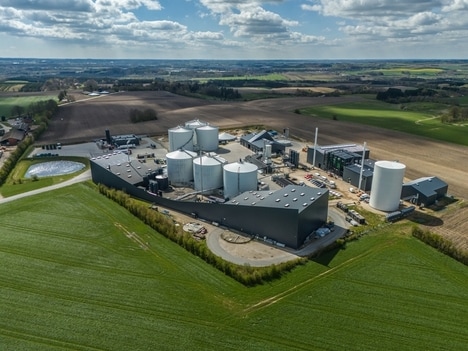
Clayton McNeff, owner of StarTec Corp also plans to open a “two-reactor” pilot plant which can produce up to 4 million gallons of biodiesel per year, significantly reducing the carbon footprint and employing hundreds of workers.
Key Themes Behind This Trend
- Pond Scum Biofuel
- Using pond scum and algae to produce biofuel offers a sustainable and environmentally friendly solution for alternative fuel production.
- Mobile Biofuel Technology
- Utilizing mobile technology for biofuel production enables flexibility and scalability, providing opportunities for efficient and decentralized production processes.
- Alternative Fuel Innovation
- Innovative approaches, such as producing diesel fuel from restaurant waste and damaged crops, contribute to the development of diverse and renewable fuel sources.
Where This Applies
- Renewable Energy
- The renewable energy industry can capitalize on the trend of using pond scum and algae as a source for biofuel, expanding their portfolio of sustainable energy sources.
- Agriculture
- The agriculture industry can explore new revenue streams by offering their waste products, such as damaged crops, as inputs for biofuel production processes.
- Waste Management
- The waste management industry can benefit from the trend of converting restaurant waste into biofuel, providing an eco-friendly solution for waste disposal while generating additional revenue.