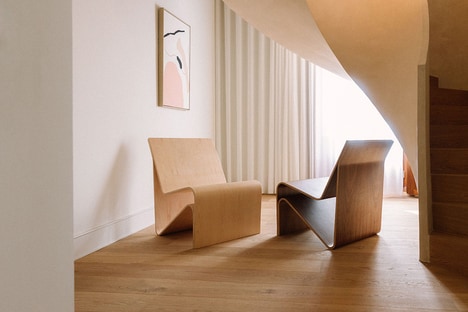
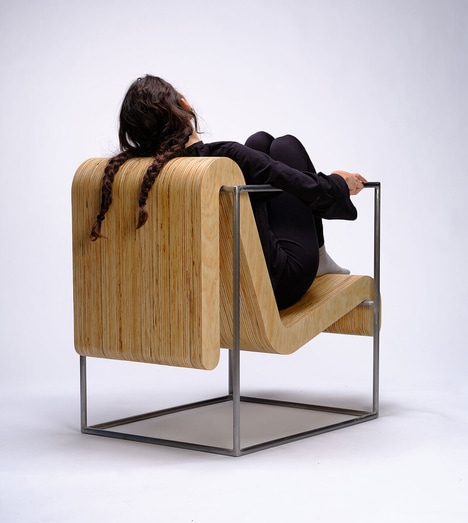
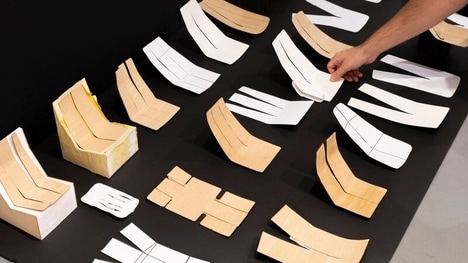
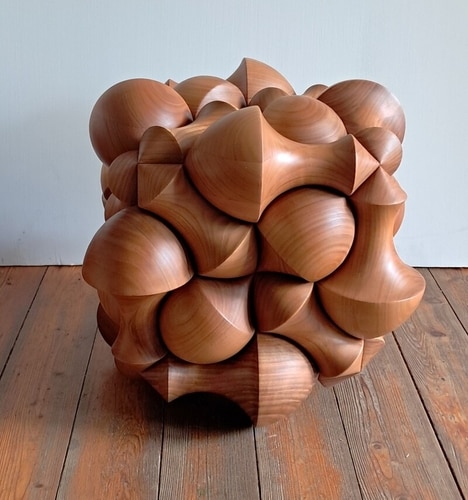
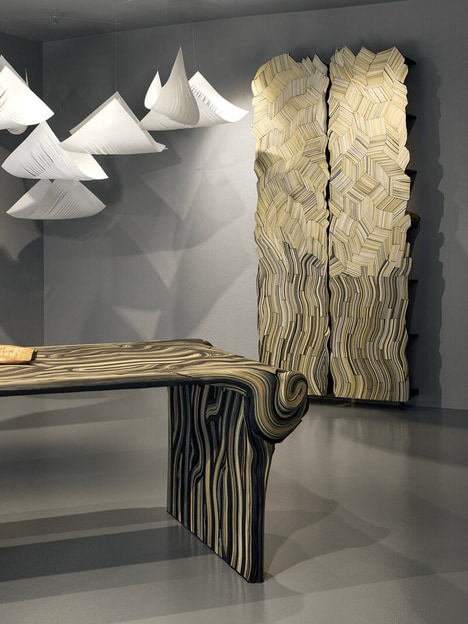
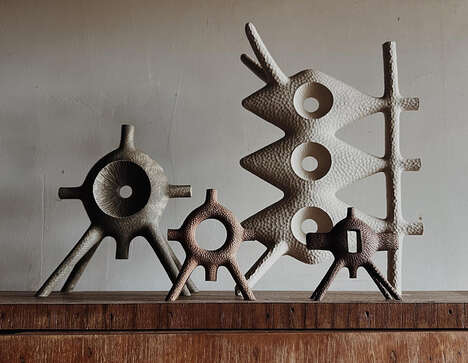
It is clear that this collection of plywood art is not typical of what people would expect for the wood material. First of all, there is a fluidity to the designs that makes the plywood art look much more pliable than it really is. This is done entirely on purpose, of course, with the intention revolving around an illusion.
Made to look like fabric, the plywood art was created by Harry Roseman. He shares, "The subjects of my work are the bend of a curve, the conjunction of edges, the turn of a fold, the weight and nature of objects, the conjunction of idea and object, the way an idea sits in an object and next to an object and the way surface can obscure and also reveal. One of my aims is to close the distance between thinking, looking and making, to the point where it is hard to tell the difference."
What Makes This Trend Stand Out
- Pliable Materials
- There is an opportunity to create products that use pliable materials to give the illusion of flexibility and mobility, much like Harry Roseman's plywood art.
- Illusory Design
- Designing products that create an optical illusion could be a unique selling point and draw in consumers, as seen with Harry Roseman's plywood art.
- Blurred Boundaries
- Breaking down the barriers between different materials and forms can create innovative products, similar to the way Harry Roseman creates the illusion of fabric with plywood.
Sectors Adopting This
- Furniture
- The use of pliable materials and illusory design in furniture could lead to products that are not only aesthetically pleasing but also functional and versatile.
- Packaging
- Innovative packaging solutions that use pliable materials and optical illusions could set companies apart from competitors and improve the consumer experience.
- Fashion
- Exploring the use of pliable materials in fashion could lead to garments that are not only comfortable but also unique and eye-catching, similar to Harry Roseman's plywood art.