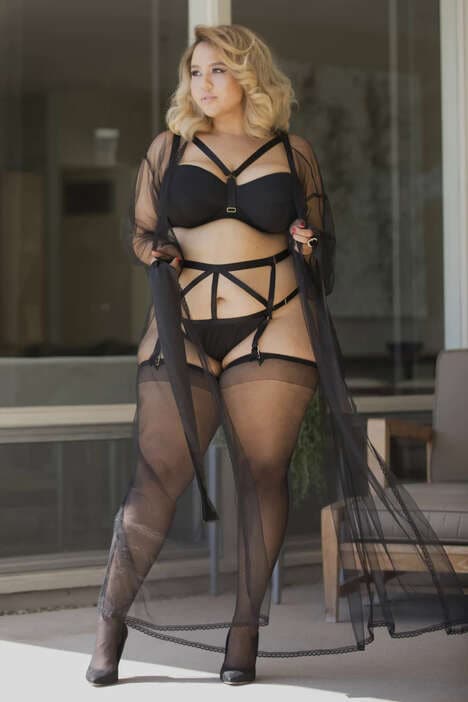
The use of Photoshop may have drummed up a lot of body image controversy in the fashion industry, but there are other practices that are just as troubling including the use of plus-size padding. As magazines and designers embrace plus-sized women more and more, they do so in their own way to create an ideal even within this demographic.
Through the use of plus-size padding, which is explored by Refinery29 with the help of photographer Kristina Wilson, these models are able to fake a more perfectly curvaceous body without going under the knife. Plus-size model and industry consultant Elizabeth Taylor says, “Padding shows that advertisers don’t really believe a woman who really is size 14 or above can sell clothing. When I first started modeling, they told us that women want to see really skinny women sell regular-sized clothing. So, they see a size 0-2 and they're a 6 or an 8, and that's aspirational."
What Makes This Trend Stand Out
- Body Image Manipulation
- The use of plus-size padding highlights the ongoing issue of body image manipulation in the fashion industry.
- Idealized Plus-size Representation
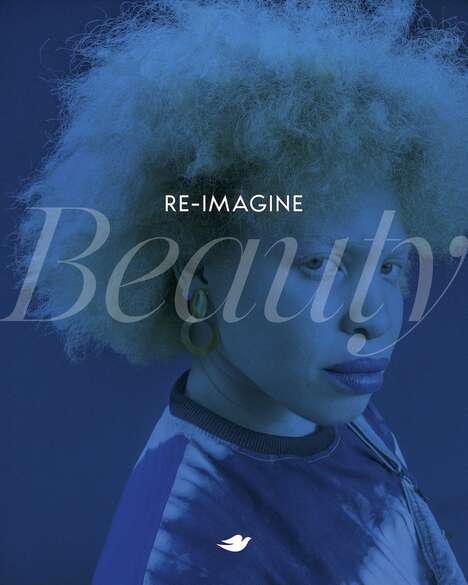
- The practice of using plus-size padding reflects the industry's desire to create an idealized version of plus-sized women, potentially reinforcing unrealistic beauty standards.
- Authenticity in Advertising
- The controversy surrounding plus-size padding raises questions about the authenticity of advertisements and the need for more genuine representation in the fashion industry.
Sectors Adopting This
- Fashion
- The fashion industry is confronted with the challenge of reevaluating its approach to size representation and promoting inclusivity.
- Advertising
- The use of plus-size padding prompts a reexamination of advertising practices and the impact they have on body image perception and self-esteem.
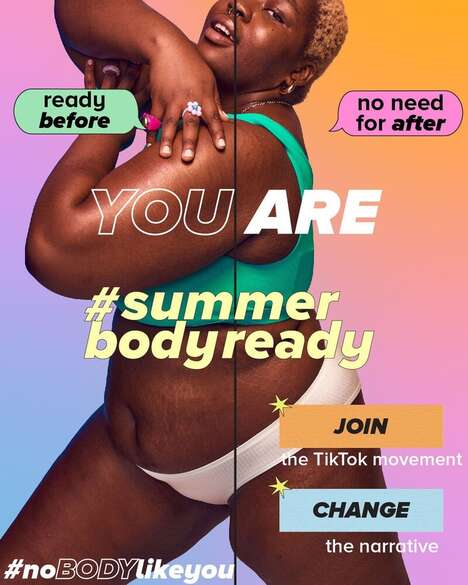
- Body Positive Movement
- The issue of plus-size padding highlights the ongoing importance of the body positive movement in advocating for diverse and authentic representations of beauty.